

In 2025, environmental regulations are more significant than ever, with a growing number of legal challenges shaping their future. The legal landscape surrounding environmental protection is complex and evolving, driven by numerous factors such as technological advancements, climate change concerns, federal vs. state jurisdictional disputes, and corporate resistance to stricter environmental policies.
The role of law in protecting the environment is critical, but legal battles continue to challenge existing regulations and push for new frameworks. This article provides a comprehensive look at some of the most pressing legal challenges currently affecting environmental regulations, examining key cases, federal vs. state conflicts, corporate accountability, and emerging legal trends in the field.
1. Supreme Court’s Influence on Environmental Law
Key Case: EPA v. Calumet Shreveport Refining
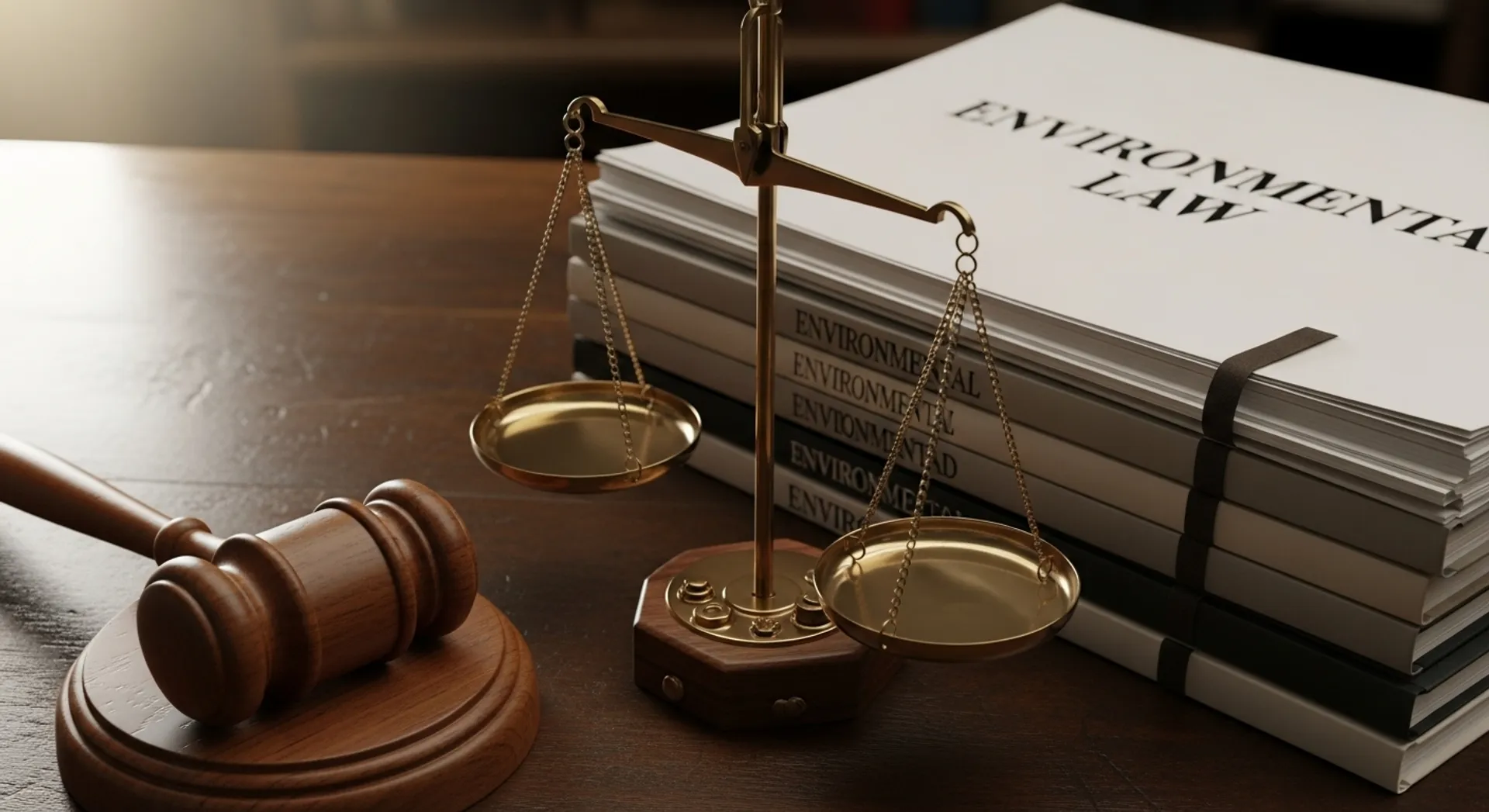
One of the most significant cases in 2025 was EPA v. Calumet Shreveport Refining. In this case, the U.S. Supreme Court ruled that challenges to the EPA’s denial of small refinery exemption petitions under the Clean Air Act should be heard in the D.C. Circuit Court. This ruling was crucial because it clarified the jurisdictional boundaries for cases involving EPA decisions regarding the Clean Air Act’s Renewable Fuel Standard (RFS). The decision to hear these cases in the D.C. Circuit Court has broader implications for the EPA’s regulatory authority and how small refineries are treated under the law.
The case is a prime example of how the U.S. Supreme Court can shape the course of environmental law by interpreting regulatory statutes. The ruling could set a precedent for future cases involving the EPA’s authority, especially in terms of environmental regulations related to climate change and public health.
For a deeper dive into this case, visit EPA v. Calumet Shreveport Refining.
Case Analysis: Oklahoma v. EPA
The case of Oklahoma v. EPA was another significant legal challenge in the realm of environmental law. The issue at hand was whether challenges to the EPA’s disapproval of state implementation plans under the Clean Air Act should be heard in regional circuits or only in the D.C. Circuit. The Supreme Court ruled that such cases could be filed in regional circuits, which opened the door for more local legal challenges to EPA decisions.
This case underscored the ongoing tension between state and federal authorities when it comes to environmental governance. States are increasingly asserting their right to regulate environmental issues independently of federal oversight, which has led to an uptick in litigation regarding the scope of federal environmental powers.
2. Federal vs. State Authority: A Legal Tug-of-War
Executive Orders and State Climate Laws
The power struggle between federal and state governments over environmental regulations has reached new heights in 2025, with President Trump’s executive orders attempting to curb state-level climate regulations. The most prominent of these orders seeks to limit state control over greenhouse gas emissions, specifically targeting states like California, New York, and Washington, which have adopted more stringent environmental regulations.
In response, states such as California, New York, and Massachusetts have vowed to uphold their climate laws, arguing that federal overreach infringes upon their constitutional rights to govern environmental policy within their borders. This has led to a series of lawsuits and legal challenges, with the federal government attempting to nullify state-level policies.
This issue is at the forefront of environmental legal battles in the U.S. In the coming years, we can expect more litigation over whether the federal government can dictate state climate policies, with implications for both the economy and the environment. States with ambitious climate goals may be forced to defend their legal right to enforce these laws in the face of federal opposition.
For more insights on this, visit Climate Policy and Legal Challenges.
State Resistance and Legal Repercussions
In contrast to the federal government’s efforts to limit state authority, states have become increasingly proactive in passing laws that address climate change and environmental justice. California’s strict emissions standards have faced several legal challenges, and the state has had to defend its regulations in court multiple times. Other states like New York have followed suit, creating their own climate action plans.
The legal consequences of these battles are significant. On one hand, a court ruling favoring federal control could undermine state-level efforts to combat climate change. On the other hand, if the courts uphold state sovereignty, it could lead to a patchwork of regulations across the country, potentially complicating enforcement and compliance for businesses operating in multiple states.
3. Corporate Accountability and Legal Scrutiny
Exxon’s Lawsuit Against California’s Climate Laws

One of the most high-profile legal challenges to environmental regulations comes from ExxonMobil, which filed a lawsuit against California’s climate disclosure laws in 2025. The lawsuit argues that the state’s laws, which require oil companies to disclose their greenhouse gas emissions, violate the company’s First Amendment rights by compelling them to speak in ways they do not wish to.
This case raises important questions about corporate accountability for environmental damage and the limits of regulatory power. Corporations are increasingly using the courts to resist environmental regulations, arguing that these laws overstep governmental authority and infringe on their rights. Exxon’s case is just one example of a larger trend where businesses push back against climate-related regulations.
Read more about Exxon’s lawsuit at ExxonMobil v. California.
New York’s Climate Change Superfund Act
In another significant case, New York’s Climate Change Superfund Act seeks to hold fossil fuel companies financially responsible for the environmental damage caused by climate change. This innovative approach aims to create a fund financed by corporate polluters to address the costs of climate-related damages, such as rising sea levels and more frequent storms.
The legal challenges to this law are ongoing, with some critics arguing that it may be unconstitutional or overly burdensome to companies. If successful, however, this legal framework could set a precedent for how other states address corporate responsibility for climate change.
For further reading, visit New York Climate Change Superfund Act.
4. Deregulatory Measures and Legal Challenges
EPA’s Deregulatory Agenda
The EPA’s deregulatory agenda in 2025 has been met with resistance from environmental groups and legal experts. In an attempt to reduce the burden on businesses, the EPA has rolled back several Obama-era regulations, including restrictions on emissions from power plants and water quality standards for industrial discharges.
These rollbacks have sparked legal challenges from environmental organizations, which argue that the EPA is violating the Clean Air Act and the Clean Water Act by weakening protections. The future of these regulatory rollbacks will depend on the courts, which are likely to rule on the legality of the EPA’s actions in the coming years.
Litigation Over Regulatory Rollbacks
As the EPA continues its deregulatory agenda, environmental groups are mounting lawsuits to stop the agency from relaxing key regulations. The legal battles focus on the EPA’s authority to reverse environmental protections, with plaintiffs arguing that such actions are harmful to public health and the environment.
These cases will likely set important precedents for future environmental regulation. If the courts uphold the EPA’s authority to roll back regulations, it could lead to further deregulation in the coming years, potentially undoing decades of progress in environmental protection.
5. Emerging Legal Trends in Environmental Policy
Youth-Led Climate Litigation
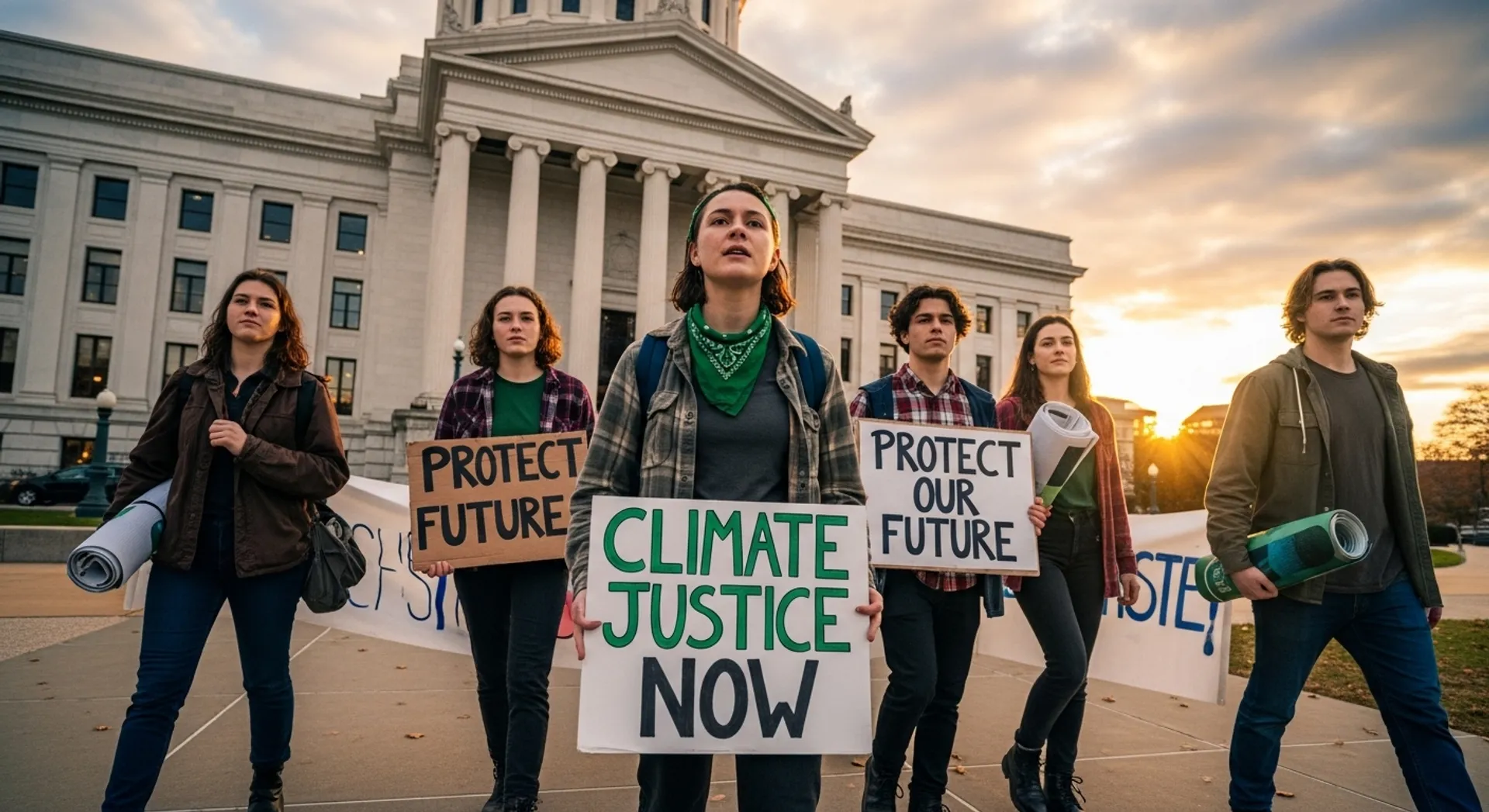
One of the most inspiring trends in environmental litigation is the rise of youth-led climate lawsuits. In 2025, a group of young activists filed a case against the federal government, seeking to reverse policies that favor fossil fuel extraction. This case was dismissed by a federal judge, but the movement is gaining momentum, with youth plaintiffs pushing for more aggressive government action on climate change.
These cases represent a growing trend where young people are challenging the status quo and advocating for stricter environmental laws. Whether or not these cases succeed in court, they highlight the shifting priorities of the next generation in addressing climate change.
Environmental Justice and Legal Frameworks
Environmental justice is becoming an increasingly important component of legal challenges in environmental law. Legal frameworks are evolving to ensure that disadvantaged communities, often communities of color, are not disproportionately affected by environmental harm. In 2025, numerous legal initiatives focused on environmental justice are being tested in courts across the U.S.
The expansion of environmental justice laws may lead to more litigation, particularly regarding the siting of hazardous industries in vulnerable communities. These cases will test whether the courts will enforce environmental protections equitably across all populations.
6. The Future of Environmental Legal Challenges
As environmental issues continue to evolve, legal challenges will remain a central force in shaping policy. With climate change, pollution, and resource management becoming increasingly urgent, the legal system will play a critical role in determining the future of environmental regulation.
In 2025, we are at a crossroads. Legal challenges will continue to shape the course of environmental governance, with key battles likely to have lasting impacts on public policy. Whether it is the fight for state autonomy in environmental law, corporate accountability for climate damages, or the future of regulatory rollbacks, the legal landscape will remain one of the most significant areas of environmental action.
Conclusion
Legal challenges in environmental regulations are not only shaping the future of the planet but also influencing the broader economic, political, and social landscapes of the United States. The coming years will likely see more litigation, regulatory changes, and new legal frameworks that balance the need for environmental protection with economic growth and corporate interests.
For those in the environmental law field or those concerned with regulatory compliance, staying abreast of these legal developments is crucial. With ongoing cases in the courts and shifting legal precedents, the environment is at the forefront of legal discussions in the U.S. as we look toward a more sustainable future.