

The criminal justice system in the United States has long been a subject of scrutiny and debate, especially regarding its fairness and efficacy. In recent years, there has been a significant shift toward reform, addressing concerns about over-incarceration, racial disparities, and the effectiveness of rehabilitation programs. With numerous states and federal initiatives underway, 2025 is a pivotal year for criminal justice reform. This blog explores the legal perspectives on these changes, highlighting key reforms in sentencing, bail, rehabilitation, and systemic inequality.
Federal Sentencing Reforms
Overhaul of Federal Sentencing Guidelines

In response to growing concerns over the high incarceration rates, particularly for non-violent offenders, the U.S. Sentencing Commission introduced comprehensive reforms to federal sentencing guidelines in 2025. These changes aim to reduce mandatory minimum sentences for certain non-violent offenses and enhance the use of alternative sentences that focus on rehabilitation rather than incarceration.
The amended guidelines also provide greater flexibility to judges, allowing them to consider the individual circumstances of defendants. This includes factors such as their history, background, and potential for rehabilitation. The reforms are expected to significantly reduce the number of individuals serving long sentences for offenses such as drug possession and minor property crimes, aligning federal policy with broader trends in criminal justice reform.
For instance, the “First Step Act,” passed in 2018, has set the stage for these changes by reducing some of the harshest federal sentences. As a result of these reforms, we may see fewer individuals incarcerated for long periods, potentially easing overcrowding in federal prisons and offering more opportunities for rehabilitation.
Impact on Incarceration Rates
One of the primary goals of the new sentencing guidelines is to reduce the U.S. prison population. Overcrowding has been a persistent issue, and reducing sentences for non-violent offenders could alleviate this problem. Additionally, these reforms may provide an opportunity to divert resources into rehabilitation programs that focus on reducing recidivism, ultimately benefiting both individuals and society.
Bail Reform Initiatives
New Jersey’s Bail System Overhaul
New Jersey has been a trailblazer in bail reform, and in 2025, the state is revisiting its bail system to make it even more equitable. While the state’s previous reforms eliminated cash bail for many non-violent offenders, the new proposals aim to further reduce the reliance on monetary bail, especially for individuals charged with minor offenses.
Lawmakers are proposing the use of advanced risk-assessment algorithms to determine whether a defendant should be granted bail or detained pretrial. These algorithms would consider factors such as flight risk and potential danger to the community, rather than the defendant’s ability to pay for bail. This approach aims to ensure that individuals who do not pose a significant risk are not held in jail simply because they cannot afford to pay bail.
The Future of Cash Bail in the U.S.
The success of New Jersey’s reforms has sparked a nationwide conversation about the fairness of cash bail. In many states, defendants who cannot afford bail remain incarcerated before their trial, often resulting in significant disruptions to their lives, including job loss and family instability. Critics argue that this system disproportionately affects low-income individuals and people of color, exacerbating existing racial disparities in the justice system.
The trend in New Jersey could soon be adopted by other states, with the goal of moving away from a system that ties pretrial detention to wealth.
Rehabilitation and Reentry Programs
California’s Comprehensive Reform Package

California has taken a progressive approach to criminal justice reform in recent years, and 2025 sees the introduction of even more comprehensive reforms aimed at rehabilitation and reentry for formerly incarcerated individuals. One of the key measures in the new legislation is the expansion of fair pay for incarcerated workers, ensuring that they are compensated at a fair rate for their labor. This addresses the longstanding issue of exploitative prison labor, which has often been seen as a form of modern-day slavery.
Another significant aspect of the reform package is the establishment of new programs aimed at reducing recidivism. These programs focus on providing prisoners with the skills they need to succeed upon release, including educational opportunities, job training, and mental health services. By preparing inmates for successful reintegration into society, these reforms aim to reduce the likelihood that they will re-offend and return to prison.
California is also working to ensure that individuals with criminal records are not unfairly discriminated against in the job market. The state’s “ban the box” initiative, which prohibits employers from asking about an applicant’s criminal history during the hiring process, has been expanded to include more protections for those seeking employment after release.
Rehabilitative vs. Punitive Approaches
Rehabilitation-focused reforms, like those in California, stand in stark contrast to the punitive approaches that have dominated U.S. criminal justice for much of the last century. The shift towards rehabilitation is a key element of the broader movement towards reducing incarceration rates and addressing the root causes of crime, such as poverty, mental illness, and lack of education. While rehabilitation programs are not a cure-all, they offer a more humane and potentially more effective solution to crime than harsh sentencing alone.
Juvenile Justice Reforms
State-Level Initiatives
Across the United States, there has been a concerted effort to address the treatment of juveniles within the criminal justice system. In 2025, several states introduced measures aimed at reforming the way young offenders are treated. Arkansas, for example, passed a law that expands access to educational and vocational training programs in juvenile detention facilities. This initiative aims to help young people develop the skills they need to succeed after their release and reduce the likelihood of re-offending.
In Kentucky, a new policy has been implemented that focuses on restorative justice for juvenile offenders. Rather than placing young people in traditional detention centers, the state has introduced alternative sentencing options such as community service and rehabilitation programs, which are intended to address the underlying issues that lead to criminal behavior.
The Focus on Rehabilitation
Many juvenile justice reforms are centered around the belief that young people have the potential for change. By focusing on rehabilitation rather than punishment, these reforms offer a chance for young offenders to turn their lives around and reintegrate into society as productive, law-abiding citizens. This is particularly important given that research has shown that individuals who are incarcerated as juveniles are more likely to experience long-term negative outcomes, such as difficulty securing employment and higher rates of recidivism.
Racial Disparities and Algorithmic Bias
Addressing Systemic Inequities
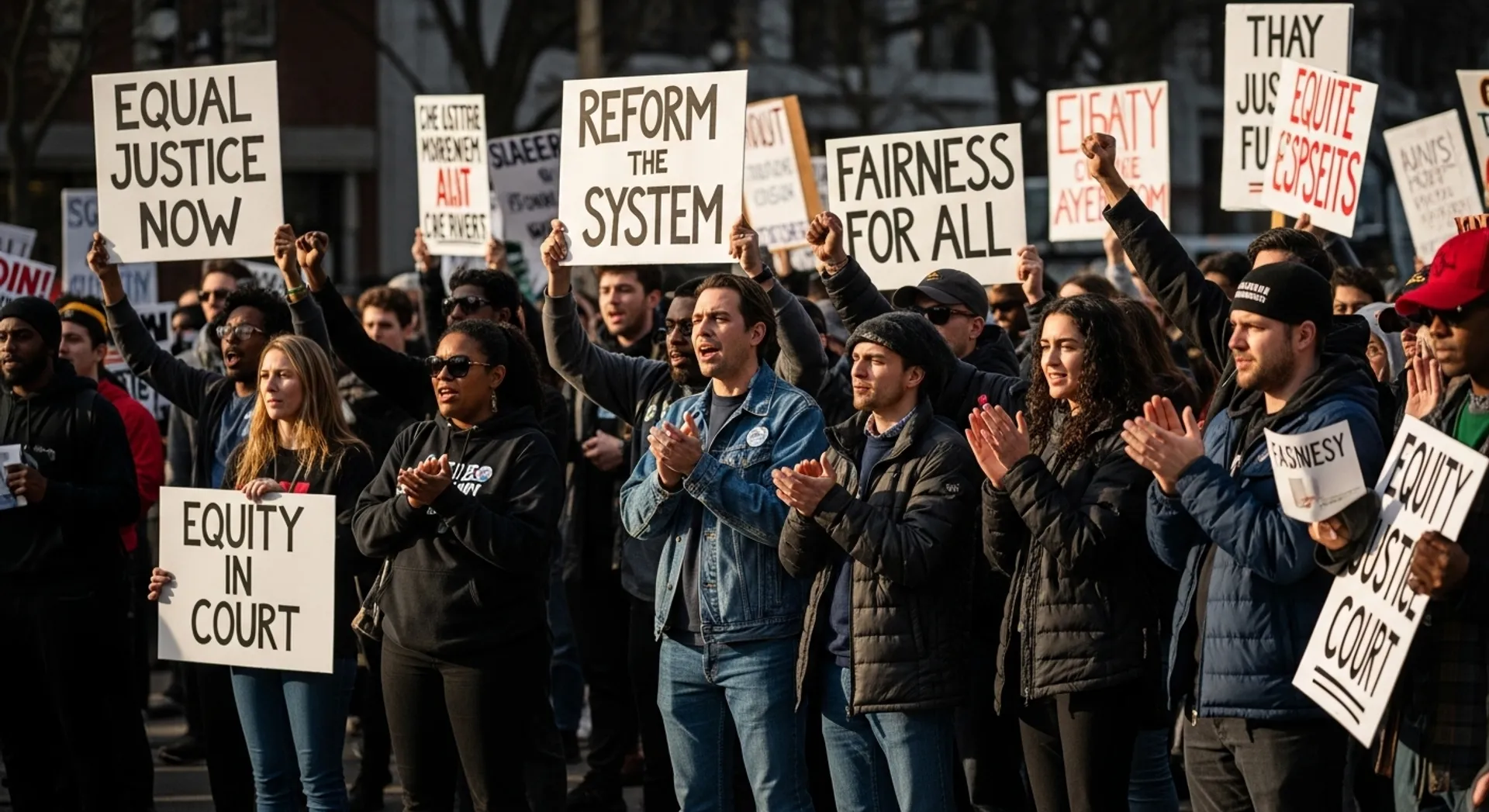
One of the most significant challenges in the U.S. criminal justice system is the persistent racial disparity in arrest and incarceration rates. Black and Latino individuals are disproportionately represented in U.S. prisons, and studies have shown that they are more likely to be arrested, charged, and convicted of crimes than their white counterparts.
In 2025, researchers and policymakers are paying increasing attention to the role of algorithmic risk assessments in perpetuating these disparities. While risk assessment tools were originally developed to reduce bias in sentencing, studies have shown that they can often reflect and reinforce racial biases present in historical data.
To address this issue, several initiatives have been proposed to make risk assessment algorithms more transparent and accountable. Additionally, there is growing recognition that addressing racial disparities requires more than just technical fixes. Comprehensive reforms are needed that tackle the root causes of inequality, including poverty, education, and systemic discrimination.
Federal Policy Shifts
Department of Justice Reorganization
In 2025, the U.S. Department of Justice (DOJ) underwent a significant restructuring, which included the dissolution of several task forces, including the Organized Crime Drug Enforcement Task Forces (OCDETF). This reorganization is part of a broader effort to streamline the DOJ’s functions and allocate resources more effectively. However, critics argue that these changes could undermine key components of the DOJ’s ability to address organized crime and corruption.
Additionally, the reorganization includes a shift in focus towards immigration enforcement, raising concerns about the potential impact on civil liberties and human rights. The move has sparked a debate about the balance between security and the protection of individual freedoms, particularly for vulnerable communities.
Conclusion
The criminal justice reform movement in 2025 represents a critical shift in how the United States approaches crime and punishment. With an emphasis on rehabilitation, fairness, and the reduction of systemic inequality, these reforms have the potential to create a more just and effective criminal justice system. However, the success of these initiatives will depend on continued vigilance, accountability, and a commitment to addressing the root causes of crime.
As these reforms continue to unfold, it’s crucial to monitor their implementation and impact on both individuals and society as a whole. The evolution of criminal justice in the U.S. is a long-term process, but the progress made in 2025 offers hope for a more equitable future.