
Voting is a fundamental right in any democracy, enabling individuals to exercise their power over the leaders and policies that affect their lives. In the United States, however, access to the ballot has historically been denied or limited, especially for marginalized groups, leading to a long and contentious legal battle over voting rights. The right to vote and the laws that govern it have been challenged, amended, and reinterpreted over the years, and this continues to be a topic of national importance.
In 2026, as the U.S. prepares for another presidential election, voting rights laws continue to evolve, with several updates and federal challenges that could significantly shape the future of democracy in the country. This blog post will explore the latest updates in voting rights law, the federal challenges that have emerged, and the impact these changes are likely to have on voters across the country.
Understanding Voting Rights Law in the U.S.
To understand the current landscape of voting rights law in the U.S., it’s important to look at its historical development. Several key pieces of legislation and constitutional amendments have shaped the nation’s approach to voting rights. The struggle for voting rights in America has been a long one, with key legal milestones marking progress toward universal suffrage.
Key Legislative Milestones in Voting Rights
- The 15th Amendment (1870): The 15th Amendment, ratified in 1870, was a significant step in eliminating racial discrimination in voting. It prohibits the denial of the right to vote based on race, color, or previous condition of servitude. While the amendment was a milestone, states found ways to circumvent it, particularly in the South, through practices like literacy tests and poll taxes.
- The 19th Amendment (1920): The passage of the 19th Amendment in 1920 was another major milestone, extending the right to vote to women. Despite this, many women, particularly women of color, continued to face significant barriers to voting.
- The Voting Rights Act of 1965: Perhaps the most important piece of legislation concerning voting rights, the Voting Rights Act (VRA) sought to eliminate the systemic disenfranchisement of African Americans, particularly in the Southern states. The VRA prohibited racial discrimination in voting and required certain jurisdictions with a history of discrimination to get federal approval (pre-clearance) before making changes to their voting laws. It was a game-changer, but much of its power was eroded by the Supreme Court’s 2013 decision in Shelby County v. Holder.
- The 26th Amendment (1971): The 26th Amendment lowered the voting age from 21 to 18, reflecting the belief that if 18-year-olds were old enough to serve in the military, they should also be able to vote.
- The Help America Vote Act of 2002 (HAVA): In response to the problems exposed by the controversial 2000 presidential election, Congress passed HAVA to modernize the voting process. It aimed to improve voting systems, including the use of electronic voting machines, to make elections more accessible and secure.

Voting Rights Law Updates in 2026
Voting rights laws have evolved and continue to evolve in the U.S., with several important updates in 2026 that affect how people vote and who has access to the polls.
The Voting Rights Restoration Act
In 2026, the Voting Rights Restoration Act was introduced in Congress to restore the protections of the Voting Rights Act of 1965, which had been weakened by the Supreme Court’s 2013 decision in Shelby County v. Holder. The Shelby County decision invalidated the pre-clearance provisions of the VRA, making it easier for states with a history of discriminatory practices to change their voting laws without federal oversight.
The Voting Rights Restoration Act seeks to:
- Restore the pre-clearance formula: The bill would reinstate the requirement for certain states and localities with a history of voting discrimination to seek federal approval before making changes to their voting laws.
- Strengthen protections against discriminatory voting laws: The bill would provide greater protection for voters against discriminatory practices, such as gerrymandering, voter ID laws, and purging of voter rolls.
- Restore federal oversight of voting changes: The bill aims to restore federal oversight to prevent discriminatory changes from taking place in states with a history of voter suppression.
This bill is critical in protecting the right to vote and ensuring that voter discrimination is not allowed to flourish. However, it faces significant opposition from conservatives, who argue that it infringes on states’ rights. The outcome of this bill will be pivotal in determining the future of voting rights protections in the U.S.
Expansion of Early Voting and Absentee Ballots
In 2026, several states have introduced or expanded early voting and absentee voting options. These reforms aim to make voting more accessible, particularly for people who cannot vote on Election Day due to work schedules, disabilities, or other barriers.
- Permanent Absentee Voting: Several states have passed laws that allow voters to cast absentee ballots without needing to provide an excuse. This move has been praised by voting rights advocates, who argue that absentee voting makes it easier for individuals who face obstacles, such as mobility issues or long work hours, to participate in elections.
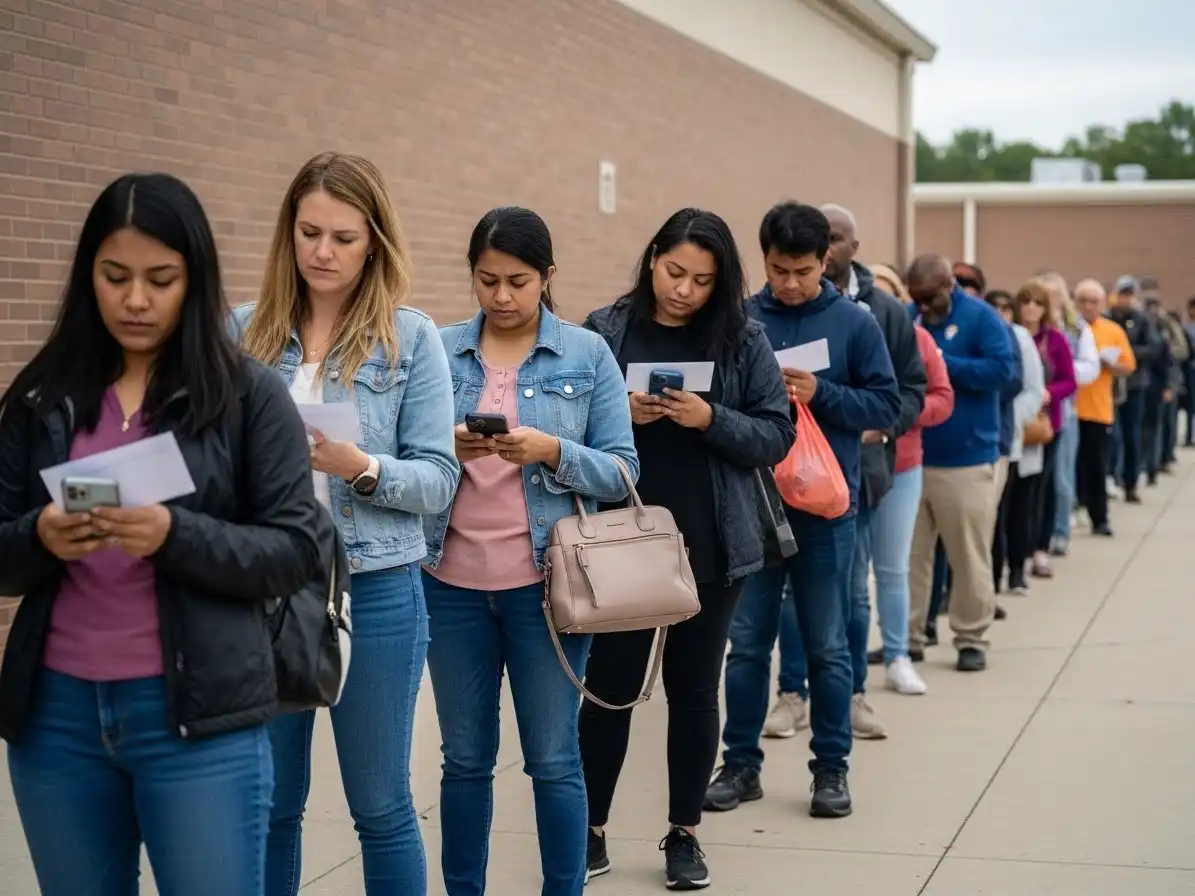
- Expansion of Early Voting: Many states are expanding the number of days for early voting, giving voters more opportunities to cast their ballots. This reduces the pressure on Election Day and helps to mitigate long lines at polling places.
These changes are part of a broader movement to increase voter access, especially in the wake of the COVID-19 pandemic. Early voting and absentee ballots allow individuals to vote at their convenience, making it easier for more people to participate in the democratic process.
However, critics of these reforms argue that absentee voting can lead to election fraud or manipulation, and some states are rolling back these changes in favor of stricter voting laws. The debate over the balance between voter access and election security continues to be a central issue in voting rights law.
Addressing Voter Suppression and Restrictive Voting Laws
While the expansion of voting rights is essential, many states continue to pass restrictive laws that limit access to the ballot. These laws disproportionately affect minority voters, low-income voters, and young voters.
- Voter ID Laws: A number of states, including Georgia, Texas, and Wisconsin, have enacted strict voter ID laws that require voters to show specific forms of identification before casting their ballots. While proponents of these laws argue that they are necessary to prevent voter fraud, critics contend that they disenfranchise vulnerable populations who may not have access to the required IDs.
- Voter Roll Purges: Several states have been accused of purging voters from the rolls, particularly those who have not voted in recent elections. These purges often disproportionately affect people of color and low-income communities, making it harder for them to vote in future elections.
- Polling Place Closures: In some states, polling places have been closed in areas with high populations of minority voters, making it more difficult for those communities to access the polls. These closures have raised concerns about voter disenfranchisement and unequal access to voting.
These laws are being challenged in court, and the outcomes of these cases will have significant implications for voting rights in the U.S. As the country approaches future elections, these legal battles will continue to shape the political landscape.
Federal Challenges to Voting Rights Laws
In addition to the legislative changes and updates to voting rights laws, several major federal challenges are currently underway that could impact the future of voting rights in the U.S.
1. Supreme Court Cases on Voting Rights
Several important Supreme Court cases are currently challenging aspects of voting rights law, particularly in relation to:
- Gerrymandering and Redistricting: The Supreme Court is set to hear cases on partisan gerrymandering, where political parties manipulate district boundaries to favor one party over the other. The outcome of these cases could fundamentally change how electoral districts are drawn, with significant implications for the political balance of power.
- Voter ID Requirements: The Court is also reviewing cases related to strict voter ID laws, particularly in states like Texas and Georgia. The outcome could set a precedent for how far states can go in implementing voter ID laws without violating constitutional protections.
- Felony Disenfranchisement: Another key issue before the Court is whether states can continue to disenfranchise individuals with felony convictions, even after they have completed their sentences. This issue is particularly important in the context of criminal justice reform and the push to expand voting rights for formerly incarcerated individuals.
The decisions made by the Supreme Court in these cases will have far-reaching consequences for the future of voting rights law in the U.S.
2. Department of Justice (DOJ) Investigations into Voting Rights Violations
The Department of Justice (DOJ) has taken an active role in investigating potential violations of voting rights laws. In 2026, the DOJ is focusing on several areas:
- Voter Intimidation and Suppression: The DOJ is investigating reports of voter intimidation, particularly during early voting periods. This includes physical intimidation, misinformation campaigns, and other tactics designed to discourage certain groups from voting.
- Election Fraud: While election fraud remains rare in the U.S., the DOJ is investigating allegations of fraud, particularly in relation to absentee voting and early voting. The DOJ’s involvement in these investigations ensures that any credible allegations are thoroughly examined and addressed.
The DOJ’s role in overseeing voting rights ensures that violations are promptly investigated and addressed, helping to protect the integrity of the electoral process.
Looking Ahead: The Future of Voting Rights
As we look to the future, the landscape of voting rights law will continue to evolve. Several key trends and developments are expected to shape the direction of voting rights in the U.S. in the coming years:
- Technology and Voting: The role of technology in elections will continue to grow, with many states moving toward electronic voting systems and online voter registration. This will raise important questions about the security and accessibility of the voting process.
- State-Level Legislative Battles: While Congress debates federal protections for voting rights, states will continue to pass laws that either expand or restrict access to voting. The balance between states’ rights and federal oversight will continue to be a major issue.
- The Role of the Courts: The outcomes of ongoing Supreme Court cases and lower court challenges will play a critical role in shaping the future of voting rights. The Court’s interpretation of the Constitution and federal law will have lasting implications for how voting rights are protected in the U.S.
Conclusion
Voting rights in the United States are under constant scrutiny, with legal challenges and legislative changes shaping the accessibility and fairness of elections. As we move through 2026, it is clear that voting rights will remain a critical issue. Legal battles over voter ID laws, early voting, gerrymandering, and other restrictions will continue to define the future of democracy in the U.S. For individuals who care about protecting their right to vote, staying informed and engaged with these legal developments is essential.