
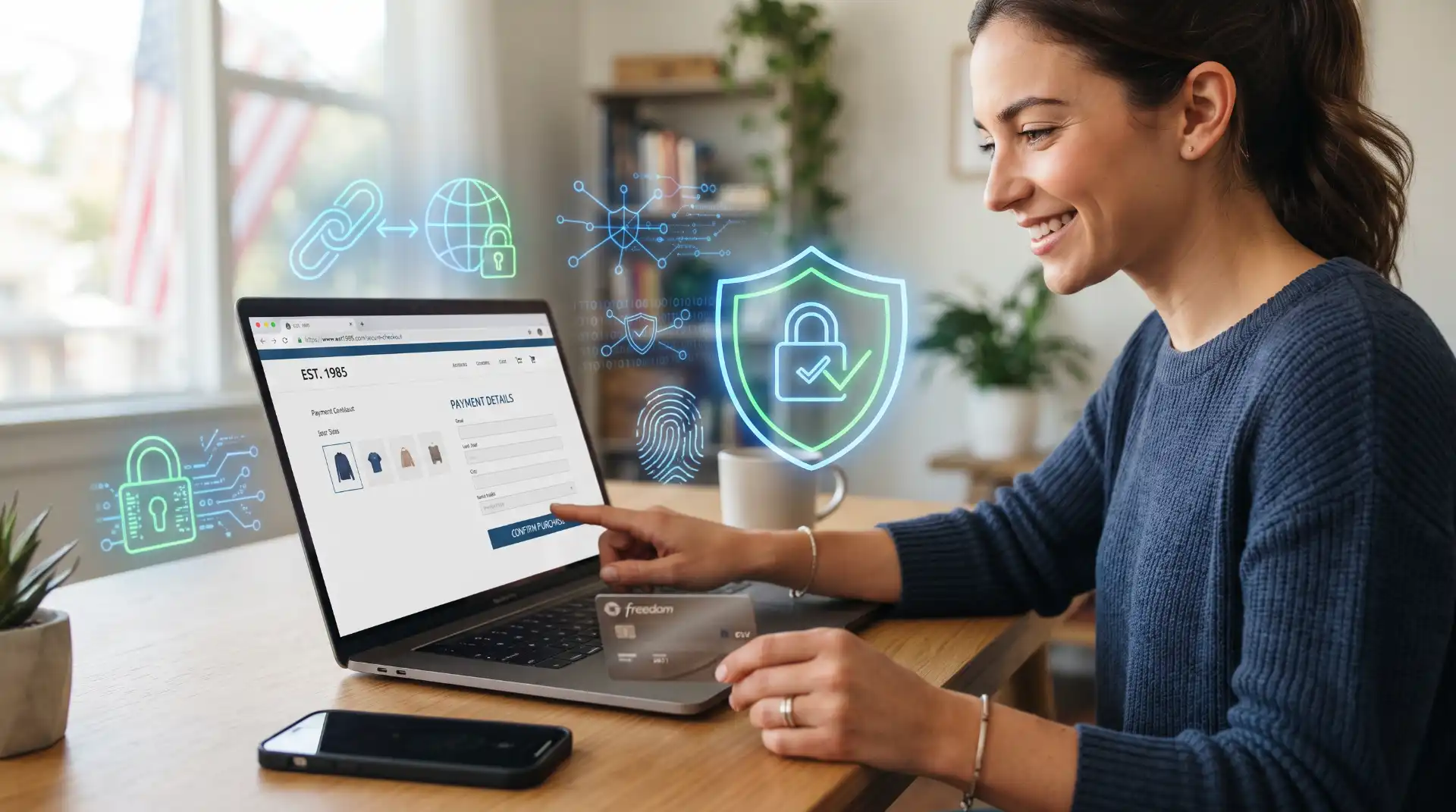
Online Shopping Fraud: Legal Rights of Consumers
Online shopping has become one of the most common ways Americans purchase products and services. From household items and electronics to subscriptions and digital services, millions of consumers complete online transactions every day. However, the growth of e-commerce has also created more opportunities for fraudulent sellers, fake websites, identity thieves, and dishonest business practices.
Online shopping fraud can result in financial losses, stolen personal information, unauthorized charges, and disputes over products that were never delivered or were misrepresented. While many consumers assume they have limited options after being scammed online, U.S. laws provide several protections designed to help buyers challenge fraudulent transactions and seek remedies.
Understanding online shopping fraud legal rights can help consumers recognize violations, preserve important evidence, and take appropriate steps when a transaction goes wrong.
Understanding Online Shopping Fraud
Online shopping fraud occurs when a person or business uses deceptive practices to obtain money, personal information, or payment details from consumers. These schemes may involve fake online stores, misleading advertisements, counterfeit products, unauthorized transactions, or sellers who fail to provide purchased goods.
Unlike ordinary disagreements between buyers and sellers, fraud generally involves intentional deception. A seller who accidentally delays shipping may not necessarily be committing fraud, but a seller who accepts payment while intentionally planning not to deliver a product may engage in unlawful conduct.
Online shopping fraud can affect individuals purchasing through websites, online marketplaces, social media platforms, and mobile applications.
Common warning signs include unusually low prices, websites with limited contact information, requests for unusual payment methods, poor customer reviews, and sellers who pressure buyers to complete transactions quickly.
Common Types of Online Shopping Fraud
Online shopping scams continue to evolve as technology changes. Fraudsters often create convincing websites and advertisements that appear legitimate.
One common form of fraud involves fake online stores. These websites may copy the appearance of well-known retailers while offering products at unrealistic prices. After consumers submit payment information, the seller may disappear without shipping the product.
Another frequent issue involves non-delivery scams. In these situations, consumers pay for goods or services but never receive what they purchased. Some fraudulent sellers provide fake tracking information to make the transaction appear legitimate.
Counterfeit product scams are also common. Consumers may believe they are purchasing authentic brand-name products but receive items that are fake, damaged, or significantly different from what was advertised.
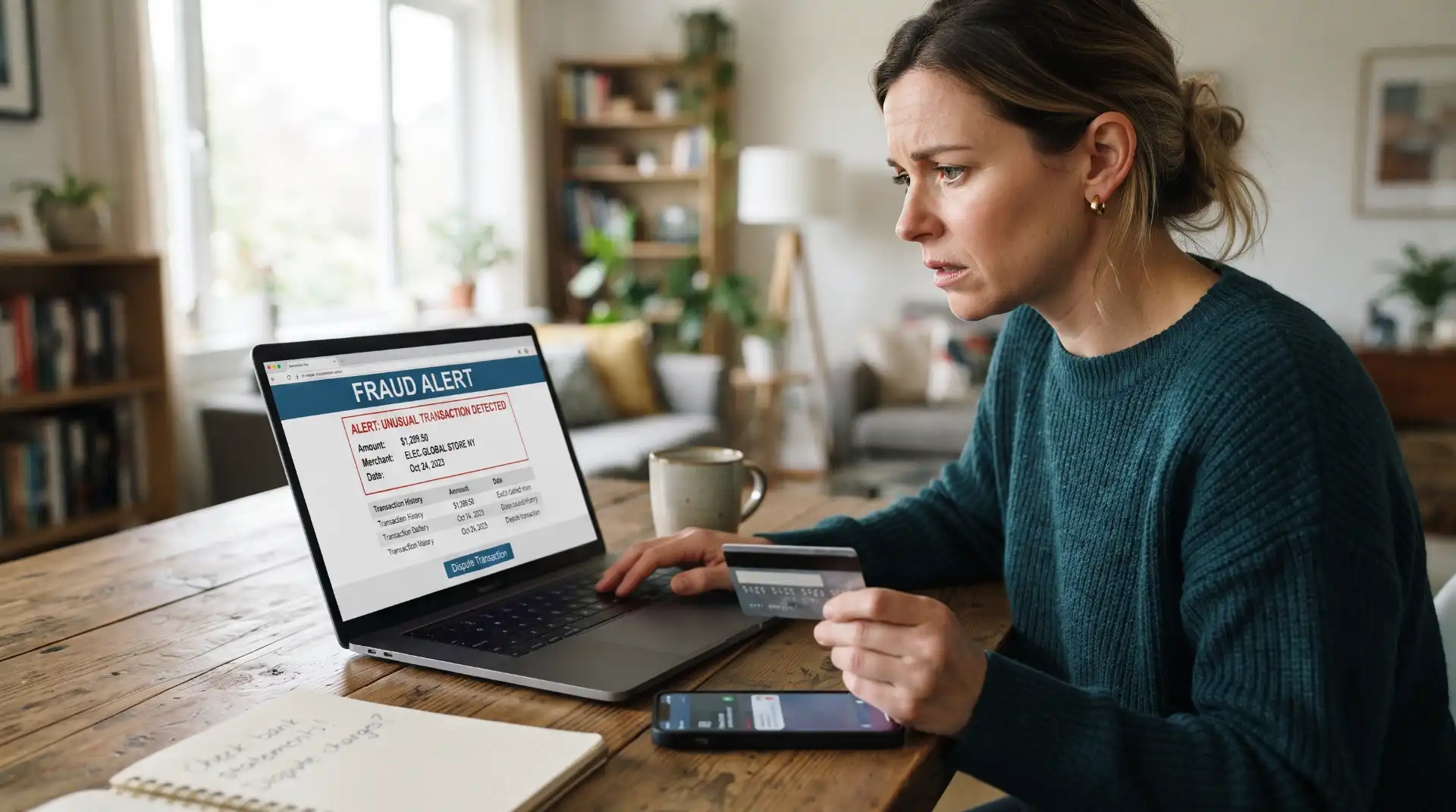
Unauthorized payment transactions represent another major category of online fraud. Criminals may obtain credit card information or account credentials and use them to make purchases without permission.
Consumers should also be aware of phishing scams involving fake emails, text messages, or websites designed to steal passwords and payment information.
Consumer Rights Under U.S. Law
Consumers in the United States have several legal protections against deceptive online shopping practices. While laws vary depending on the circumstances and location, federal and state regulations generally prohibit businesses from engaging in unfair or deceptive acts.
The Federal Trade Commission Act gives the FTC authority to take action against companies that engage in deceptive business practices. This includes false advertising, misleading claims, and fraudulent representations made to consumers.
Online sellers are generally required to provide accurate information about products, pricing, shipping terms, and refund policies. A business that intentionally provides false information to encourage purchases may violate consumer protection laws.
Consumers may also have rights under electronic transaction laws, credit card protections, and state unfair business practice statutes.
The specific legal options available depend on factors such as:
- The type of fraud involved
- The amount of financial loss
- The seller’s location
- The payment method used
- Applicable state laws
Federal Laws Protecting Online Shoppers
Several federal laws provide protections for consumers participating in electronic transactions.
The Federal Trade Commission Act is one of the primary federal laws addressing deceptive commercial practices. The FTC can investigate companies that mislead consumers or engage in fraudulent activities.
The Fair Credit Billing Act provides protections for certain credit card disputes. Consumers may be able to dispute unauthorized charges or billing errors by following required procedures with their credit card issuer.
The Electronic Fund Transfer Act provides protections involving certain electronic payments, including unauthorized transfers from consumer accounts.
The Restore Online Shoppers’ Confidence Act addresses certain online negative-option sales practices, including situations where companies make recurring charges without properly informing consumers.
Consumers should understand that these laws do not automatically guarantee reimbursement in every dispute. Legal protections often depend on the facts of the transaction and whether the consumer follows required reporting procedures.
State Consumer Protection Laws
In addition to federal protections, every state has consumer protection laws addressing deceptive and unfair business practices.
Many states have statutes commonly known as Unfair and Deceptive Acts and Practices (UDAP) laws. These laws allow government agencies and, in some cases, consumers to take action against businesses engaging in misleading conduct.
For example, a company that falsely advertises a product, hides important fees, or misrepresents the quality of goods may face legal consequences under state consumer protection laws.
Some states allow consumers to seek damages, refunds, or other remedies when businesses violate consumer protection statutes.
Because consumer laws vary significantly by state, consumers dealing with online shopping fraud should review the laws where the transaction occurred and where the seller operates.
What To Do After Becoming a Victim of Online Shopping Fraud
The first step after discovering online shopping fraud is to document everything related to the transaction.
Consumers should save:
- Order confirmations
- Payment receipts
- Emails and messages with the seller
- Screenshots of product listings
- Website addresses
- Shipping information
- Bank or credit card statements
This information can help establish what happened and may be necessary when filing disputes or complaints.
Consumers should also contact their payment provider as soon as possible. Credit card companies, banks, and payment platforms often have procedures for reviewing fraudulent transactions.
If personal information was compromised, consumers should consider changing passwords, monitoring accounts, and taking steps to protect against identity theft.
Reporting fraudulent activity to government agencies can also help prevent others from becoming victims.
The Federal Trade Commission allows consumers to report fraud through its official reporting system.
How Payment Methods Affect Consumer Protection
The method used to pay for an online purchase can significantly affect a consumer’s available protections.
Credit cards often provide strong dispute protections because federal law limits consumer liability for certain unauthorized charges. Many credit card companies also offer dispute processes for transactions involving fraud or merchandise problems.
Debit card protections may differ depending on the circumstances and how quickly the consumer reports the issue.
Payment services and online marketplaces may also have their own buyer protection programs. These programs can provide additional remedies but often have specific deadlines and requirements.
Consumers should avoid payment methods that provide little protection, such as direct money transfers to unknown sellers.
Before completing an online purchase, understanding payment protections can help reduce financial risk.
When Businesses May Be Legally Responsible
Not every unsuccessful online purchase is considered fraud. A seller may be responsible when there is evidence of intentional deception, false advertising, or violations of consumer protection laws.
Examples of potentially unlawful conduct may include:
- Advertising products that do not exist
- Selling counterfeit goods while claiming authenticity
- Making false claims about product quality
- Hiding important terms and conditions
- Charging consumers without proper authorization
Online marketplaces may also have responsibilities depending on their role in the transaction and applicable laws.
Determining liability often requires examining the relationship between the consumer, seller, platform, and payment provider.

The Role of Evidence in Online Fraud Claims
Evidence is critical when attempting to recover losses caused by online shopping fraud.
Digital records often provide the strongest proof because online transactions create electronic documentation. Screenshots, emails, payment confirmations, and website records can help establish the timeline of events.
Consumers should avoid deleting communications with fraudulent sellers, even if the messages appear useless. These records may demonstrate misleading statements or attempts to avoid responsibility.
In more serious cases involving significant financial losses, legal professionals may analyze transaction records, business information, and applicable consumer protection laws.
When Consumers Should Consider Legal Help
Many online shopping disputes can be resolved through payment disputes, refunds, or complaints to consumer agencies. However, legal assistance may become important when losses are substantial or when a business engages in repeated deceptive practices.
An attorney familiar with consumer protection law may help evaluate whether a company violated applicable laws and whether legal action may be appropriate.
Legal professionals can review available evidence, explain potential remedies, and help consumers understand their options.
Consumers should be especially cautious when dealing with fraudulent sellers who refuse refunds, disappear after receiving payment, or continue targeting other customers.
Preventing Online Shopping Fraud
Although legal protections exist, prevention remains one of the most effective ways to avoid online shopping losses.
Consumers should research sellers before making purchases, verify website security, read reviews carefully, and avoid offers that appear unrealistic.
Using strong passwords, enabling multi-factor authentication, and monitoring financial accounts can also reduce the risk of unauthorized transactions.
Consumers should be careful when clicking links from emails or messages and should verify websites before entering payment information.
A cautious approach can help individuals enjoy the convenience of online shopping while reducing exposure to fraud.
Conclusion
Online shopping fraud can create serious financial and personal consequences, but consumers in the United States have legal protections designed to address deceptive and unfair practices.
Understanding online shopping fraud legal rights allows consumers to recognize potential violations, preserve evidence, report fraudulent activity, and explore available remedies.
Federal agencies, state consumer protection laws, financial institutions, and legal professionals all play important roles in helping consumers respond to online fraud.
As e-commerce continues to grow, awareness of consumer rights remains one of the strongest tools for protecting personal information, financial security, and purchasing decisions.