
How Intellectual Property Law Shapes the Christmas Holiday Economy
Introduction: The Hidden Legal Engine Behind Christmas
The holiday season is filled with traditions that most people enjoy without a second thought — from beloved songs and iconic characters to dazzling light displays and imaginative toys. But behind these festive staples lies a complex legal framework: intellectual property law. Whether you’re a brand using a classic Christmas tune in a campaign or an inventor protecting a seasonal innovation, IP law plays a major role in shaping the Christmas holiday economy. Organizations such as the World Intellectual Property Organization (WIPO) play a key role in setting international standards that affect how creative works are protected worldwide.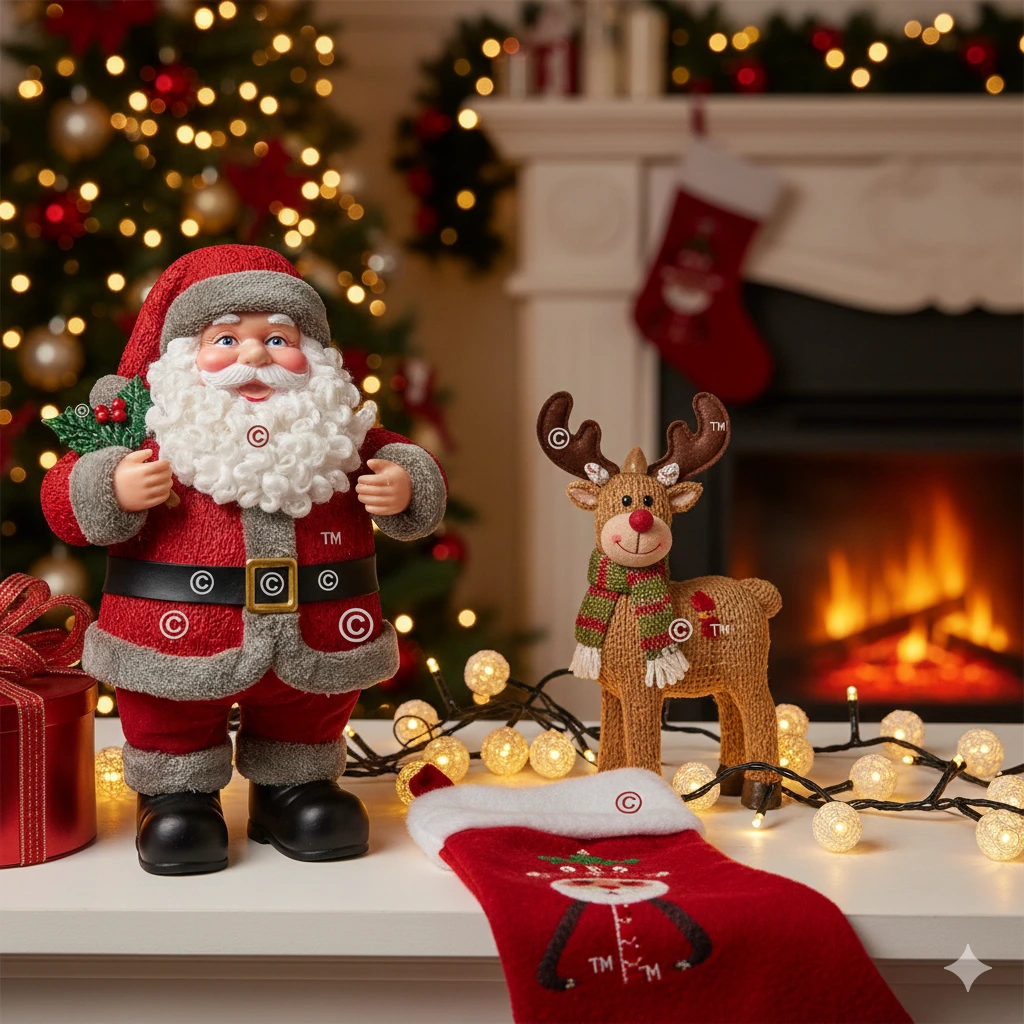
What Is Intellectual Property and Why It Matters at Christmas
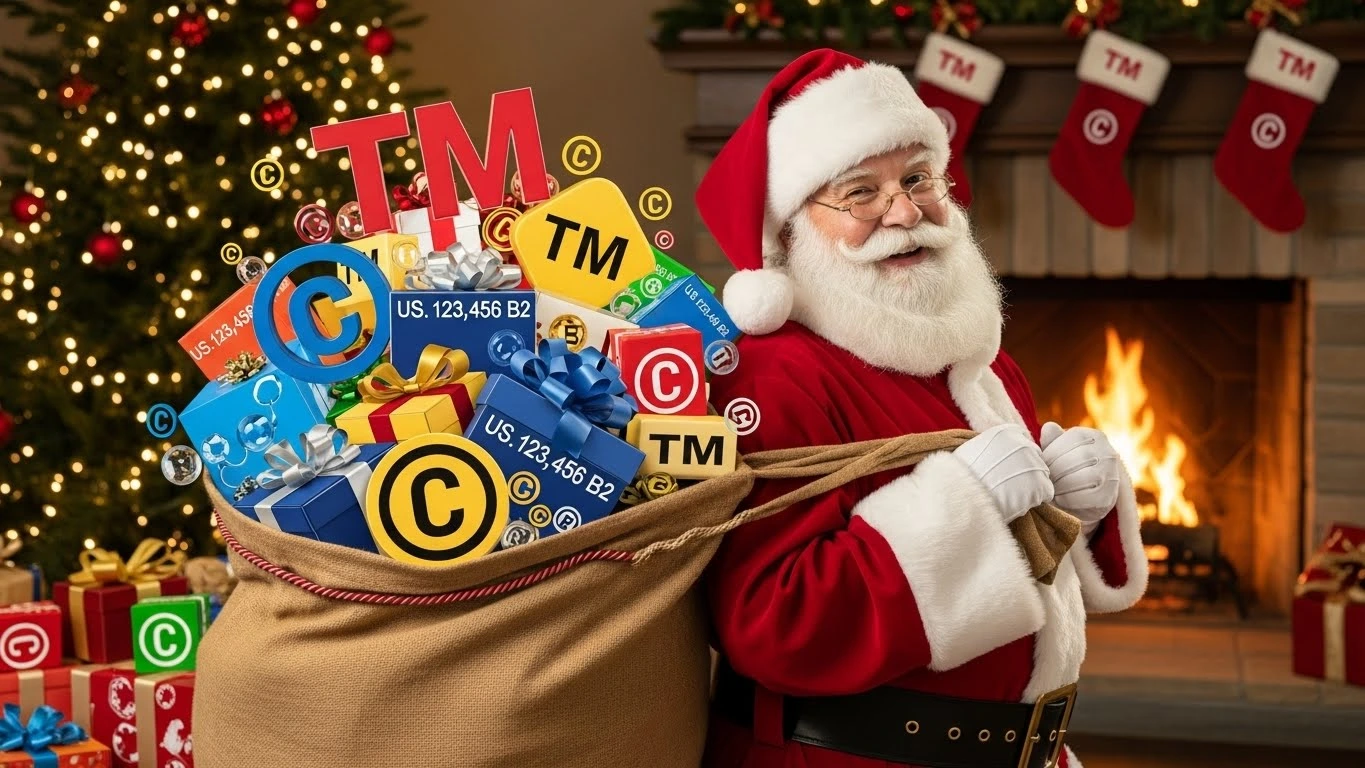
Intellectual property (IP) refers to the legal rights that protect creations of the mind — including patents, trademarks, and copyrights. During the holiday season, IP law becomes especially relevant because so many products, songs, designs, and symbols are commercially exploited and widely circulated. For example, iconic Christmas symbols — like Santa Claus imagery used for branding — may be public domain in general, but specific artistic depictions and logos can be trademarked or copyrighted.
Copyright & Christmas Songs
Christmas music is everywhere during the holiday period, but not all songs are in the public domain. Some classics may be free to use, while others remain under copyright protection and require licensing for commercial use. Businesses that use well-known holiday tunes in promotions or advertisements must ensure they have obtained proper permissions — failure to do so can lead to costly legal disputes or takedown notices, especially under enforcement rules outlined by authorities like the U.S. Patent and Trademark Office (USPTO).
Trademarks & Festive Branding
Many brands use festive words and phrases in their marketing, but trademark protection only applies when the mark is used in commerce to distinguish goods or services. For instance, a trademark for “Merry Christmas” can be registered in specific product classes without preventing general holiday greetings. Understanding the limits and scope of trademarks is crucial for businesses to avoid infringement or dilution risks.
Patents & Christmas Inventions
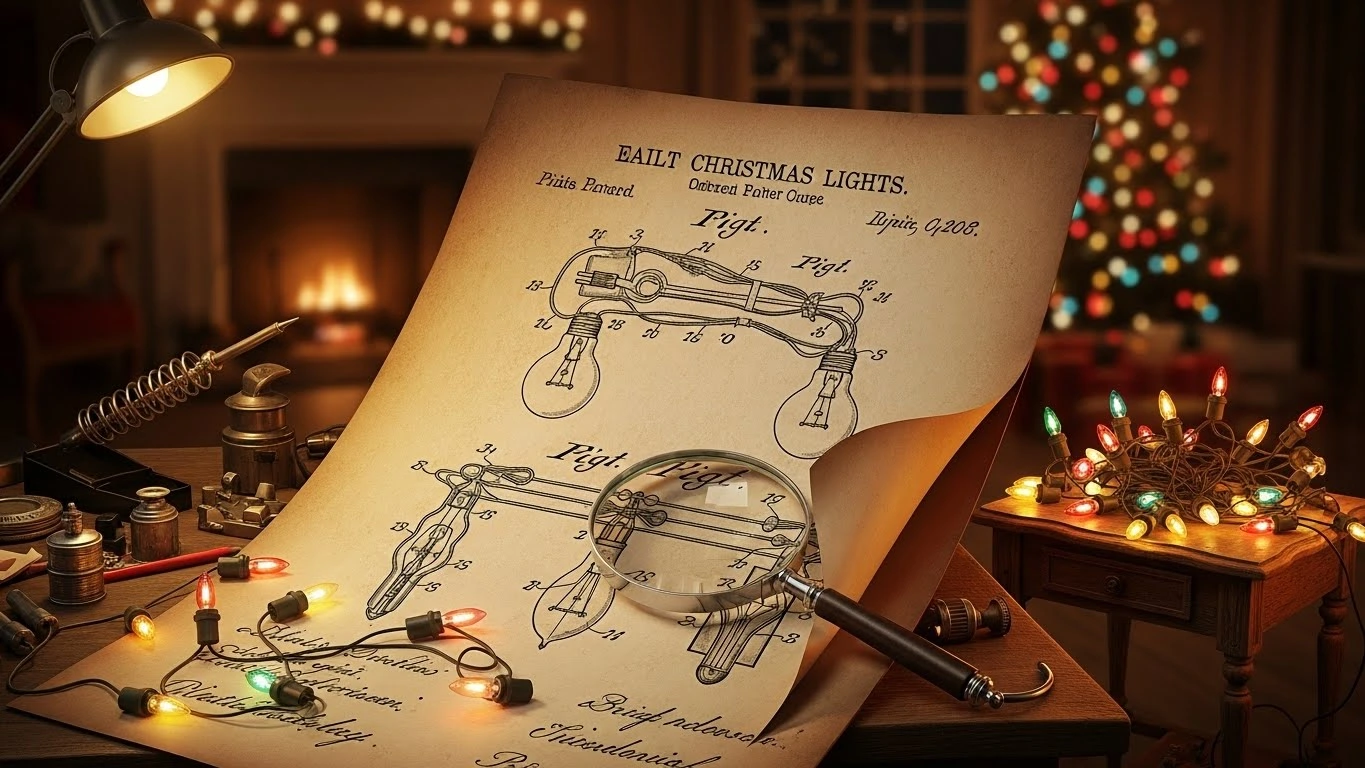
Holiday inventions — from innovative lights to tree stands, novelty items, and even systems to prevent decoration hazards — can be protected through patents if they meet requirements of novelty and non-obviousness. In fact, many practical inventions tied to Christmas celebrations have been patented over the years in countries around the world.
Examples of Holiday Patented Innovations
Some Christmas-related patents include technology for improved lighting systems, specialized holiday ornaments, and devices designed to make seasonal decorating safer and more efficient. These patents ensure inventors can profit from — and prevent unauthorized commercial copying of — their seasonal innovations.
Practical Tips for Businesses & Creators
If you’re planning holiday marketing or launching seasonal products:
- Conduct IP due diligence before using songs or characters.
- Secure licenses for copyrighted material you plan to use commercially.
- Perform trademark searches to avoid conflicts with existing holiday branding marks.
- Consider patent protection for innovative holiday inventions to protect your competitive edge.
Conclusion: Legal Joy for the Holidays
While most people enjoy Christmas without thinking about legal frameworks, intellectual property law quietly influences how holiday traditions are created, shared, and monetized. From festive music to patented inventions and seasonal branding, understanding IP law can help creators and businesses make the most of the holiday economy while staying compliant and protected.
Wishing you a legally sound and joyous holiday season!
Related Articles: