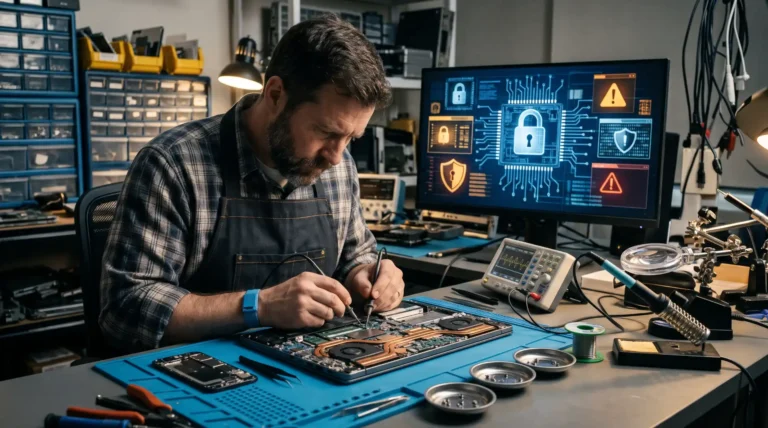
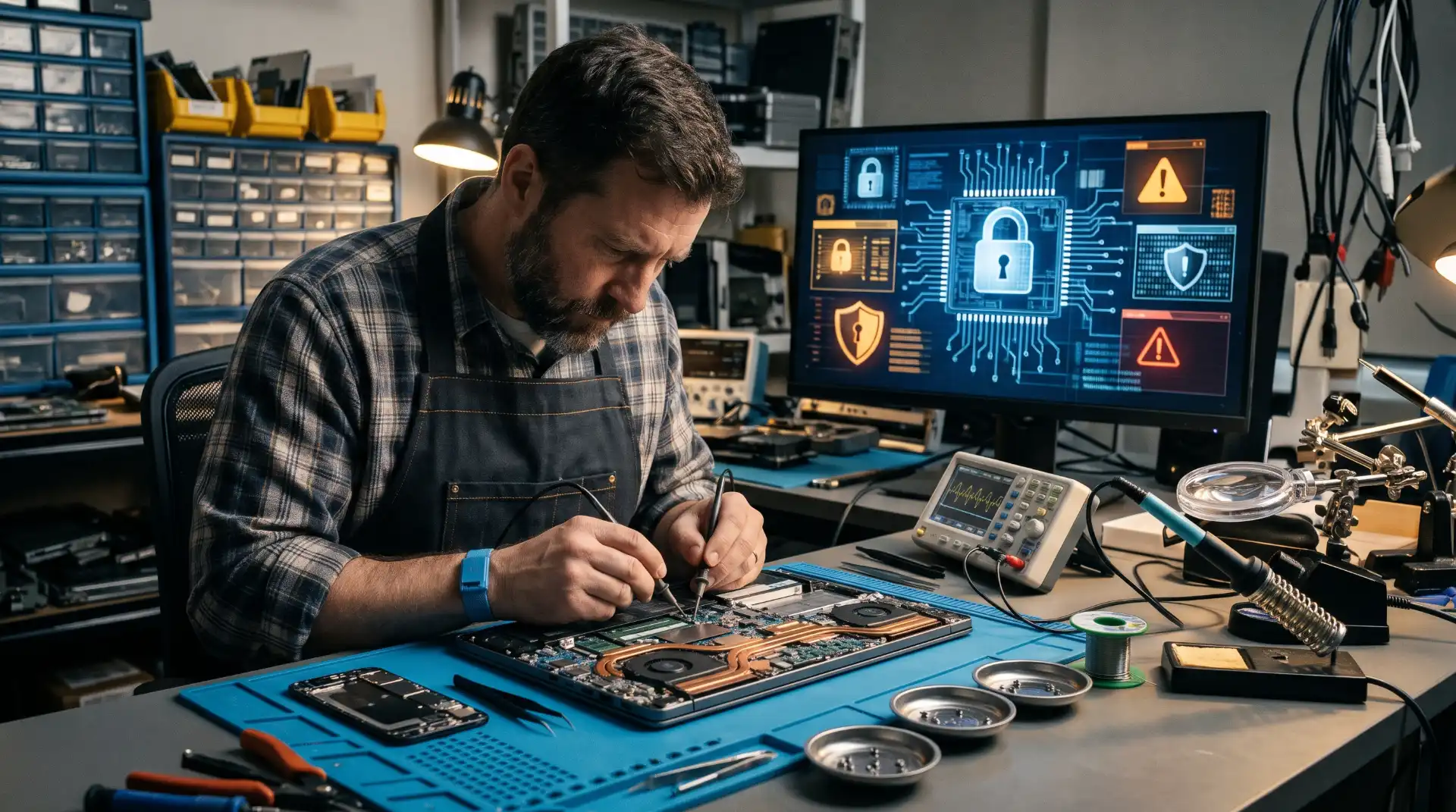
Modern technology has created an unusual legal situation for American consumers. People purchase smartphones, computers, vehicles, medical equipment, gaming systems, and other electronic products expecting to use and maintain them. However, many of these products depend on software protected by technological restrictions that can prevent users from accessing certain functions, modifying programs, replacing components, or performing independent repairs.
These restrictions are not necessarily unlawful. Manufacturers frequently use encryption, authentication systems, passwords, software locks, and other technological protection measures to protect copyrighted software, prevent unauthorized copying, secure devices, and control access to proprietary systems. Copyright law provides important protections for these works, and businesses have legitimate reasons to protect their intellectual property.
The problem arises when technological restrictions prevent people from engaging in activities that would otherwise be lawful. A consumer might own a device but be unable to repair it independently because essential diagnostic software is inaccessible. A library might legally possess copyrighted educational material but encounter technological barriers when trying to make that material accessible to people with disabilities. A video game owner might have purchased a game that no longer functions because the publisher discontinued the servers needed to operate it.
These situations raise an important question: How far should copyright protection extend when technological restrictions interfere with lawful uses of products and copyrighted works?
This question is at the center of Section 1201 of the Digital Millennium Copyright Act, commonly known as the DMCA.
The U.S. Copyright Office is currently conducting its tenth triennial rulemaking proceeding to determine whether certain activities should receive temporary exemptions from the law’s prohibition against circumventing technological access controls. The 2027 proceeding is especially important because it considers proposed changes involving accessibility, digital preservation, device repair, medical equipment, video games, and other technology-related activities.
The October 28, 2026, Notice of Proposed Rulemaking identified ten proposed exemption classes and opened a new public comment process. These proposals could influence how Americans interact with copyrighted technology during the October 2027–October 2030 exemption period.
However, it is important to understand that these proposals are not yet approved legal exemptions. The Copyright Office must evaluate the evidence, consider public comments, and make recommendations before the Librarian of Congress determines which exemptions should be adopted.
For consumers, technology companies, independent repair businesses, libraries, software developers, and copyright owners, the outcome could have significant implications.
1. What Is DMCA Section 1201?
Section 1201 is part of the Digital Millennium Copyright Act of 1998, a federal law designed to address copyright protection in the digital environment.
Before digital technology became central to everyday life, copyright enforcement primarily focused on unauthorized copying, distribution, public performance, and other uses of protected works. As computers, software, encryption, and internet distribution expanded, Congress recognized that copyright owners needed additional ways to protect digital works against unauthorized access and copying.
Section 1201 addresses the circumvention of technological measures used to protect copyrighted material.
A technological protection measure, often abbreviated as TPM, is a system designed to control access to a copyrighted work or restrict certain activities involving that work. Examples include encryption, authentication systems, digital rights management software, access passwords, and other technical restrictions.
For example, a streaming service might use encryption and account authentication to prevent people from accessing copyrighted movies without authorization. A software company might require a license key before allowing someone to use a commercial program. A video game publisher might use authentication software to control access to certain game functions.
Section 1201 generally prohibits circumventing a technological measure that effectively controls access to a copyrighted work.
The law also contains separate restrictions involving the manufacture, distribution, or provision of technologies and services designed to circumvent certain copyright protection systems.
This distinction is extremely important because the law does not treat every form of circumvention in exactly the same way.
The Difference Between Access Controls and Copy Controls
Section 1201 addresses two broad categories of technological protection measures.
The first involves controls that restrict access to copyrighted works. For example, a person might encounter an encrypted software program that requires an authorized authentication process before allowing access.
The second involves controls that restrict activities such as copying, reproducing, or otherwise exercising rights involving protected works.
The statutory framework treats these categories differently. Section 1201(a)(1) establishes the prohibition against circumventing access controls, while Sections 1201(a)(2) and 1201(b) address certain technologies and services used to circumvent access or rights controls.
This distinction becomes particularly important during the triennial exemption process.
The Copyright Office’s temporary exemption rulemaking addresses the prohibition against circumventing access controls under Section 1201(a)(1). It does not give the Office authority to create general exemptions from the separate anti-trafficking restrictions in Sections 1201(a)(2) and 1201(b).
Consequently, someone who receives permission to circumvent a particular access control does not automatically receive permission to manufacture, sell, or distribute circumvention devices or services.
This is one reason consumers and businesses should avoid assuming that a new exemption would create unrestricted access to copyrighted technology.
2. Why Does the Copyright Office Review Section 1201 Every Three Years?
One of the unusual features of Section 1201 is its triennial exemption process.
Congress recognized that technological restrictions could sometimes prevent people from making lawful uses of copyrighted material. A rule that was appropriate for one type of technology might create unnecessary problems when new devices, software systems, and legitimate consumer activities emerged.
Rather than permanently rewriting the law every time technology changed, Congress established a process allowing temporary exemptions for specific classes of copyrighted works.
Under Section 1201(a)(1)(C), the Librarian of Congress may adopt exemptions following a proceeding conducted by the Register of Copyrights.
The review considers whether the prohibition against circumvention adversely affects, or is likely to adversely affect during the succeeding three-year period, users’ ability to make noninfringing uses of particular classes of copyrighted works.
The process therefore requires more than a general argument that consumers should have greater freedom to use technology.
A petitioner must identify a sufficiently specific class of copyrighted works, explain the lawful activity being restricted, and provide evidence demonstrating that the statutory prohibition creates a meaningful adverse effect.
The Copyright Office evaluates several statutory factors, including:
The availability of copyrighted works for use.
The availability of works for nonprofit archival, preservation, and educational purposes.
The impact of technological restrictions on criticism, comment, news reporting, teaching, scholarship, and research.
The effect of circumvention on the market for or value of copyrighted works.
Other relevant considerations identified by the Register of Copyrights.
These factors help balance consumer interests, public access, educational needs, and copyright owners’ legitimate economic interests.
Why the 2027 Rulemaking Matters
The ninth triennial proceeding concluded in October 2024. The current exemption framework therefore operates on a three-year cycle.
The tenth proceeding began in June 2026, when the Copyright Office requested petitions for new exemptions and renewals of existing exemptions.
The Office received 43 renewal petitions and 25 petitions seeking new or expanded exemptions. Following its review, it issued the October 28, 2026, Notice of Proposed Rulemaking.
The proposed rule identifies ten classes for additional consideration.
The current process is important because the resulting exemptions, if adopted, would generally cover the period from October 2027 through October 2030.
That means decisions made during the 2026–2027 rulemaking could affect consumers, businesses, repair professionals, researchers, and other technology users for the following three years.
The official proceedings are available through the U.S. Copyright Office’s 2027 Section 1201 Rulemaking.
3. What New DMCA Exemptions Are Being Considered for 2027?
The most important development in the current proceeding is the number and variety of proposed exemption classes.
The proposals are not limited to traditional consumer electronics repair. They cover accessibility, digital preservation, video playback, public-domain material, software modification, medical equipment, industrial machinery, and online gaming.
Understanding these proposals helps explain why Section 1201 is relevant to so many industries.
Proposed Class 1: Accessibility and Captioning for Audiovisual Works
The first proposed class concerns making audiovisual material more accessible to people with disabilities.
Copyrighted videos, educational recordings, and other audiovisual works frequently contain technological restrictions that may complicate efforts to create accessible versions.
For example, a public library might provide access to a video through a web platform. The video could contain captions or audio-description features that are unavailable or incompatible with the library’s accessibility systems.
A public institution might need to access or modify certain technical elements to provide synchronized captions or audio descriptions.
The existing exemption is limited to certain disability services offices and similar units at educational institutions. The new proposal seeks to expand the potential exemption to a broader group of public entities.
This issue is particularly important because accessibility obligations are not limited to traditional universities.
Public libraries, local government agencies, and other public entities may need to provide accessible digital services. However, technological protection measures can complicate their efforts.
If the proposed exemption is adopted, qualifying institutions could potentially receive greater flexibility to make audiovisual material accessible without violating the applicable access-control prohibition.
It would not automatically authorize unrestricted copying or distribution of the underlying videos. The permitted activity would depend on the final regulatory language.
Proposed Class 2: Circumvention for Criticism and Comment
The second proposal concerns audiovisual works used for criticism and commentary.
Film reviewers, researchers, journalists, educators, and commentators sometimes need access to specific portions of audiovisual material to analyze or discuss them.
For example, a film researcher might need to examine a particular scene in a high-definition movie to compare different versions of a restoration. A reviewer might need to access a short excerpt for a critical discussion.
The proposed exemption seeks to expand an existing category involving audiovisual criticism and comment, including certain high-definition disc formats.
The legal issue is not whether someone should be able to copy an entire movie and distribute it freely. Instead, it concerns whether technological restrictions prevent specific noninfringing uses involving commentary and criticism.
This proposal highlights the relationship between copyright protection and freedom of expression.
Criticism, research, and reporting frequently require access to copyrighted material. Copyright law recognizes that certain uses may be permitted without the copyright owner’s authorization, depending on the circumstances.
However, fair use is a fact-specific legal doctrine. A person cannot automatically assume that every use described as criticism or commentary is lawful.
The final exemption, if adopted, would need to define which works, users, and activities qualify.
Proposed Class 3: Playback on Unsupported Devices
Another proposal concerns audiovisual material that consumers cannot play on certain devices because of technical incompatibility.
People purchase DVDs, Blu-ray discs, and other physical media expecting to use them with compatible equipment. However, software and hardware support can change over time.
A device may become obsolete, a playback application may stop receiving updates, or a particular operating system may no longer support the technology required to access a lawfully purchased disc.
The proposal seeks to address playback problems involving unsupported platforms and certain high-definition optical-disc formats.
Consider a consumer who owns a lawfully purchased movie collection but replaces an older computer with a modern system that no longer supports the original playback software.
The consumer may have legitimate reasons to access the purchased material on available equipment. Yet encryption or authentication restrictions may prevent alternative playback methods.
An exemption could potentially provide a limited solution to this problem.
However, the proposal would not establish a general right to remove all digital rights management restrictions from movies. Its scope would depend on the specific class of works and the circumstances described in the final rule.
Proposed Class 4: Preserving and Replacing Audiovisual Works
Digital preservation is another important issue in the 2027 proceeding.
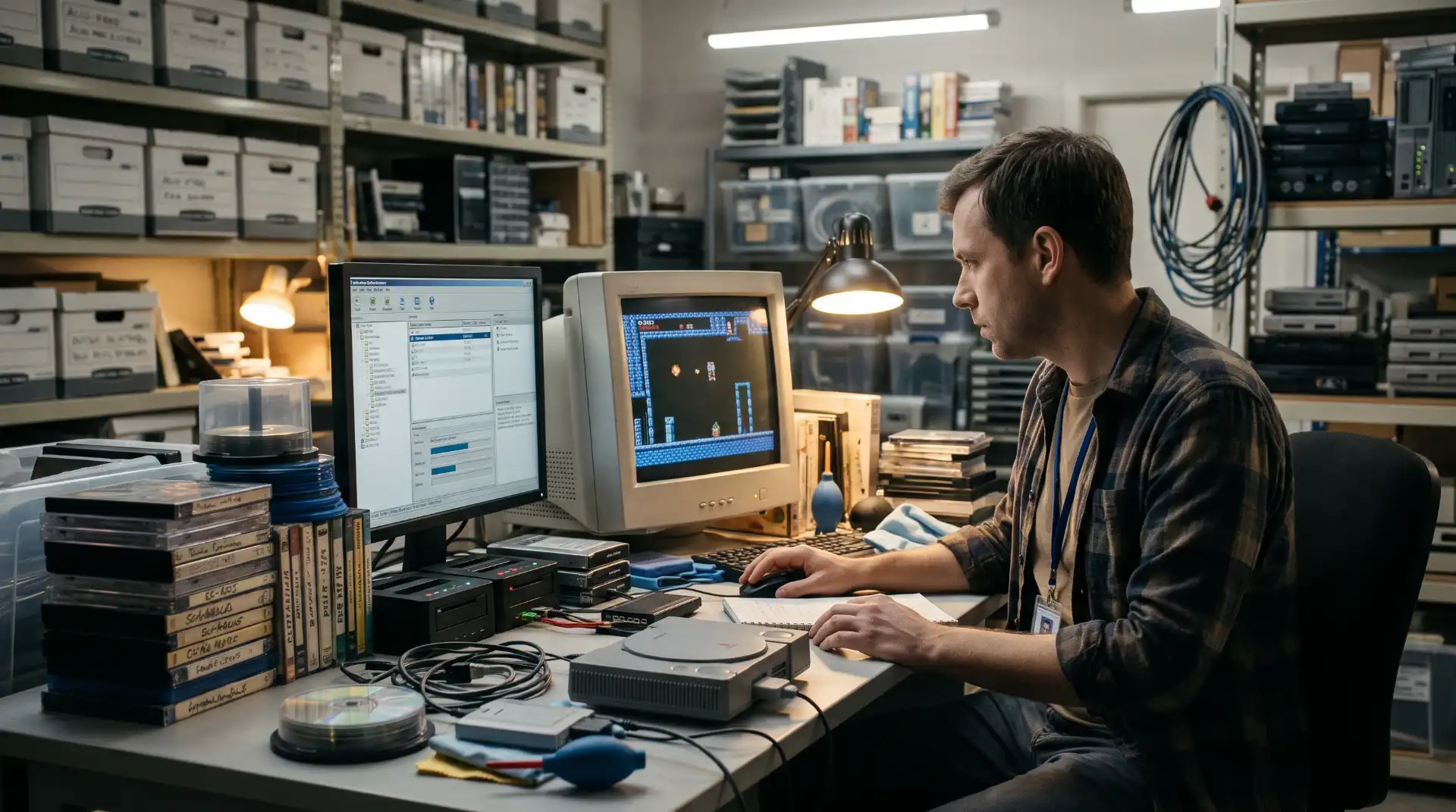
Physical media can deteriorate. DVDs and Blu-ray discs may become damaged through scratches, environmental conditions, manufacturing defects, or ordinary aging.
Playback equipment also becomes obsolete. A consumer might own a movie that remains physically intact but cannot easily access it because compatible hardware is no longer available.
The Copyright Office grouped several proposals into three subclasses.
The first concerns personal, noncommercial preservation of audiovisual works stored on lawfully acquired optical discs.
The second addresses preservation when equipment needed to play the original material becomes unavailable or obsolete.
The third concerns replacing digital audiovisual copies that are no longer usable or accessible.
These proposals raise difficult questions about ownership, preservation, and copyright protection.
For example, should a person who lawfully purchased a physical movie be permitted to create a replacement copy if the original disc is deteriorating?
Should a private archivist be allowed to preserve a digital work when the original service has disappeared?
Should a consumer be able to create a replacement when a previously purchased digital copy becomes inaccessible because a distributor has discontinued the service?
These are not identical situations. Each proposal involves different technical and legal considerations.
A preservation exemption could help prevent the permanent loss of cultural material. At the same time, copyright owners may reasonably argue that replacement copies should not become a means of creating additional unauthorized distribution opportunities.
The Copyright Office must therefore evaluate the proposed uses and any effects on the market for copyrighted works.

Proposed Class 5: Personal Playback of Audiovisual Works
Another proposed class addresses personal playback of certain audiovisual works.
The proposal references an existing statutory framework involving the ability to skip or filter particular portions of audiovisual works during private viewing.
The underlying concern is that technological restrictions may interfere with certain forms of personal playback.
For example, a household might want to use lawful filtering technology to skip particular material while watching a movie it has purchased.
The petition seeks an exemption that could permit qualifying circumvention for personal viewing purposes, including activity performed by a member of the purchaser’s household.
This issue raises questions about the relationship between copyright protection, consumer choice, and technological control over purchased content.
The potential exemption would be limited by the final definition of qualifying users, works, and playback activities. It should not be interpreted as permission to reproduce or redistribute protected audiovisual material.
Proposed Class 6: Access to Public-Domain Audiovisual Works
Public-domain works are generally not protected by copyright because their copyright protection has expired, they were never eligible for protection, or they otherwise entered the public domain.
However, technological restrictions can sometimes protect a digital collection containing public-domain material.
This creates a difficult situation. A person may be legally entitled to use a public-domain film or recording but encounter technological restrictions that prevent access to the material.
The proposed exemption seeks to address this problem.
For example, a researcher might encounter a digitized historical film embedded within a larger collection protected by access controls. Although the underlying film is in the public domain, the technological system may restrict access to the file.
The petition raises the possibility of permitting limited circumvention to access public-domain audiovisual works.
This issue could be especially relevant to historians, archivists, educational institutions, and independent researchers.
Nevertheless, the presence of public-domain material within a protected digital collection does not automatically mean every technical restriction can be bypassed. The precise circumstances and proposed exemption language remain important.
Proposed Class 7: Jailbreaking and Modification of Computer Programs
Jailbreaking generally refers to modifying a device’s software environment to remove restrictions that prevent users from installing certain applications or changing how the device operates.
Consumers may want to modify their devices for several legitimate reasons, including installing alternative software, improving compatibility, enabling accessibility functions, or developing independent applications.
The 2027 proceeding includes proposals involving changes to existing jailbreaking exemptions, including issues related to automatic content recognition and advertising.
Automatic content recognition technology can identify material displayed or played on a device. It may be used for legitimate purposes, such as content identification and measurement, but it can also raise concerns about control over device functionality and user choice.
Advertising-related restrictions create another issue.
A user may want to modify a device to change how advertising functions operate. However, the legal analysis depends on the software involved, the copyrighted works being accessed, and the specific activities proposed.
The Office is seeking information about whether the proposed activities are already covered by existing exemptions and whether additional modifications are justified.
Consumers should not assume that jailbreaking is automatically lawful in every situation. The purpose, technology, applicable exemption, and other legal restrictions all matter.
Proposed Class 8: Repairing Computer Programs and Technology-Enabled Equipment
Repair-related exemptions are among the most commercially significant proposals in the 2027 proceeding.
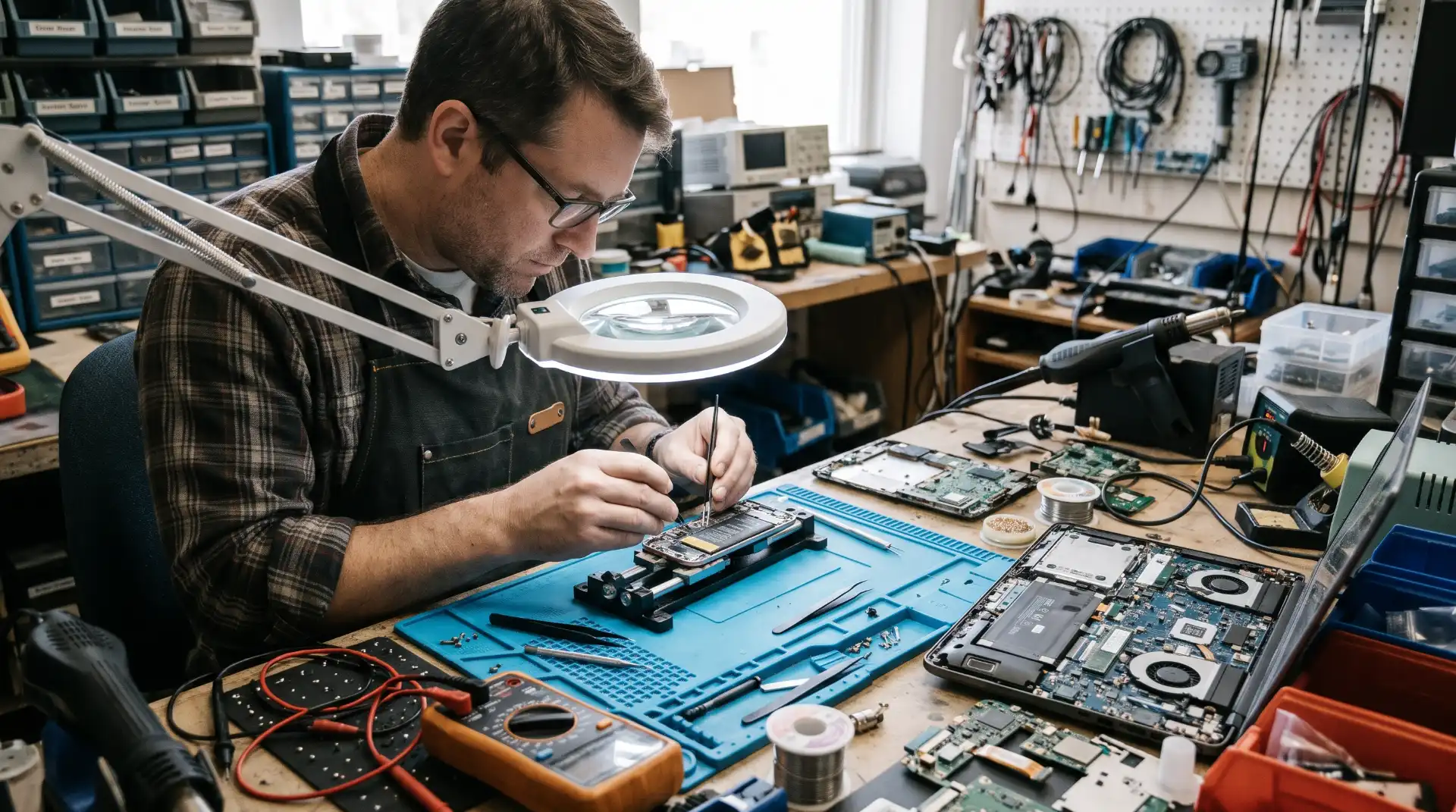
Modern products often depend on embedded software to perform ordinary functions. A vehicle, laboratory machine, industrial robot, or medical device may contain programs that control its operation and provide diagnostic information.
When equipment fails, independent repair professionals may need access to those programs to identify the problem and restore functionality.
However, manufacturers may use technological restrictions that limit access to diagnostic systems, software functions, or protected data.
The proposed Class 8 groups repair-related proposals into two broad areas.
The first concerns medical device repair. The second concerns repair activities involving other types of equipment, including consumer, scientific, laboratory, and industrial systems.
The medical device issue is especially important because the existing medical device repair exemption has attracted meaningful opposition.
The Copyright Office therefore does not intend to recommend its automatic renewal through the streamlined process. Instead, it will consider the issue through the new public comment process.
This does not mean the existing exemption has already been repealed. The current exemption remains part of the existing regulatory framework while the new proceeding evaluates its future.
The outcome could influence independent medical equipment service providers, hospitals, imaging centers, and manufacturers.
For example, an independent technician might need access to software logs to diagnose a malfunctioning imaging machine. If access is restricted, the facility could face additional delays while arranging manufacturer-authorized service.
A separate proposal concerns industrial machinery and software-enabled manufacturing systems.
These systems may include programmable logic controllers, production-line controls, industrial robots, motion controllers, and semiconductor manufacturing equipment.
A repair exemption could potentially help independent technicians diagnose and maintain equipment without unnecessary technological barriers.
However, the Office must consider whether the proposed categories are sufficiently specific and whether the evidence establishes meaningful adverse effects on lawful repair activities.
This proposal is particularly important because repair rights can affect competition, maintenance costs, equipment availability, and the lifespan of expensive machinery.
Proposed Class 9: Video Games That Become Incompatible With Modern Operating Systems
Video games can become difficult or impossible to play when their digital rights management systems no longer function correctly on modern operating systems.
A consumer may have purchased a game years ago, only to discover that a later computer update prevents the game from launching.
The problem may involve authentication software, discontinued compatibility tools, outdated drivers, or other technical restrictions.
The proposed exemption seeks to permit certain individual owners to circumvent access controls when DRM systems no longer function properly because of operating-system incompatibility or related errors.
This proposal raises an important question about what it means to own a digital game.
When a publisher stops supporting an older title, should a person who lawfully purchased the game be able to use reasonable technical methods to continue playing it?
A successful exemption could potentially provide more flexibility for preserving access to older games.
However, the proposal is not an unrestricted right to remove every form of game protection. The Copyright Office previously considered a similar proposal and did not recommend it, making the evidence submitted during the current proceeding particularly important.
Proposed Class 10: Replacement Servers for Discontinued Online Games
The final proposed class concerns online video games whose original server functionality has been discontinued, materially degraded, or replaced without providing equivalent functionality.
Many modern games depend on external servers for multiplayer functionality, account authentication, matchmaking, or other features.
A game may become partially or completely unusable when the publisher shuts down its servers.
This creates problems for consumers who lawfully purchased games but can no longer access the original online experience.
The new proposal seeks to expand an existing exemption for continued video game play to include certain forms of online gameplay using independently implemented replacement network infrastructure.
For example, a group of game preservationists might want to develop replacement servers that allow owners of a discontinued game to continue playing together.
The proposal includes important limitations. It does not seek to authorize unauthorized reproduction or distribution of games, unauthorized access to copyright owners’ servers, or copying of proprietary server software.
The proposed approach also seeks to preserve modern entitlement and authentication mechanisms.
If adopted, this exemption could become particularly important for digital game preservation and communities that want to maintain access to older titles.
However, the Office must determine whether the evidence justifies expanding the existing exemption to cover online gameplay and replacement network infrastructure.
The outcome could affect game developers, publishers, preservation organizations, independent programmers, and consumers.
4. How Could the 2027 Exemptions Affect American Consumers?
The potential impact of the 2027 rulemaking extends beyond copyright lawyers and technology companies. Ordinary consumers could experience changes in how they repair, maintain, preserve, and access products they have purchased.
The most important distinction is that Section 1201 exemptions do not generally create ownership rights in software or other copyrighted works. Instead, they can permit narrowly defined circumvention activities that would otherwise be prohibited by the anti-circumvention provision.
This distinction matters because consumers frequently confuse owning a physical product with owning every intellectual property right associated with its software.
When someone purchases a smartphone, for example, the person generally owns the physical device but does not automatically acquire ownership of the operating system’s copyright. The software may remain licensed under terms established by its developer or manufacturer.
Similarly, purchasing a vehicle does not automatically transfer ownership of every software program, diagnostic tool, or copyrighted technical document used to operate it.
Nevertheless, ownership of the physical product does not necessarily mean that every repair or modification must be performed by the manufacturer.
The 2027 exemptions could help clarify the boundaries between copyright protection and lawful consumer activities.
Greater Flexibility for Independent Repairs
Independent repair shops could benefit if qualifying exemptions permit technicians to access software necessary for diagnosis and maintenance.
This could be especially relevant to businesses servicing electronic equipment, industrial machinery, and medical devices.
For example, an independent repair company might be able to identify a malfunctioning component but lack access to the software information needed to complete the repair. If the manufacturer controls the relevant diagnostic functions through technological restrictions, the technician may encounter additional barriers.
A carefully defined exemption could potentially reduce those obstacles.
However, the final rules would determine which equipment, software, users, and activities qualify. An exemption for one class of equipment would not automatically cover every electronic product.
Longer Product Lifespans
Repair restrictions can contribute to unnecessary product replacement.
When consumers cannot obtain reasonable repair services, they may replace devices that could otherwise remain functional for several additional years.
This can increase household expenses and contribute to electronic waste.
Greater access to lawful repair activities could encourage maintenance rather than replacement, particularly for expensive products such as laboratory equipment, industrial machinery, and certain electronic systems.
Nevertheless, copyright exemptions alone cannot solve every right-to-repair problem. Consumers may still encounter proprietary parts, unavailable components, warranty restrictions, safety requirements, contractual limitations, and other legal barriers.
Better Access to Digital Collections
The proposed preservation and playback exemptions could also benefit individuals who own older digital media.
Physical movies, historical recordings, and other audiovisual material can become difficult to access when playback technology becomes obsolete.
A narrowly tailored exemption could help qualifying users preserve or access certain works without automatically violating the access-control prohibition.
This could be important for collectors, researchers, educators, and people maintaining personal media collections.
The broader objective is to prevent technological restrictions from unnecessarily eliminating lawful uses of material that consumers have legitimately acquired.
5. What Do the Proposed Exemptions Mean for Technology Companies?
Manufacturers and software developers have legitimate interests in protecting their copyrighted programs, proprietary information, and commercial distribution systems.
Technological protection measures can help prevent unauthorized copying, protect software licensing arrangements, reduce security risks, and preserve the integrity of connected products.
The 2027 proceeding does not suggest that these protections should disappear.
Instead, it asks whether specific technological restrictions create demonstrable problems for people attempting to make noninfringing uses of copyrighted works.
Technology companies should therefore pay close attention to the scope of each proposed exemption.
Manufacturers May Need to Reevaluate Repair Policies
Companies that rely heavily on proprietary diagnostic software may need to consider how their repair systems affect independent service providers.
For example, a manufacturer might restrict access to diagnostic functions because it wants to ensure that only authorized technicians work on a particular product.
The company may have legitimate safety and quality-control concerns. However, if the restriction also prevents lawful repair activities, it could become relevant to the Section 1201 proceeding.
Manufacturers should distinguish between restrictions that protect genuine security interests and restrictions that primarily prevent independent maintenance.
This distinction may become particularly important in industries where equipment downtime creates significant financial consequences.
Software Licensing Remains Important
A temporary Section 1201 exemption does not eliminate software licensing agreements.
A user might receive permission under a particular exemption to circumvent an access control for a defined repair activity. That does not automatically mean the user can redistribute the software, publish proprietary source code, or use it for unrelated commercial purposes.
Businesses should review licensing agreements, service contracts, warranties, and other relevant obligations independently.
The precise relationship between an exemption and other contractual or statutory rights depends on the circumstances.
Security and Consumer Protection Must Be Considered
Manufacturers may argue that unauthorized modifications create cybersecurity risks or compromise safety-related functions.
For example, modifying software in an industrial control system could affect the operation of machinery. Altering medical equipment software could potentially create serious patient safety concerns.
These are legitimate issues that should be addressed through evidence and appropriately tailored rules.
However, security concerns should also be evaluated carefully. Independent technicians may need access to software to identify vulnerabilities, correct malfunctions, or maintain systems that manufacturers no longer adequately support.
The 2027 proceeding provides an opportunity to examine these competing interests.
6. Does a DMCA Exemption Mean Circumvention Is Automatically Legal?
No. This is one of the most important points consumers and businesses should understand.
A temporary exemption is not a general authorization to bypass any copyright protection system.
The exemption applies only to qualifying activities involving the particular classes of copyrighted works and users described in the final regulation.
For example, an exemption permitting a particular form of vehicle software repair would not automatically authorize someone to circumvent access controls on commercial streaming services.
Likewise, an exemption involving the preservation of lawfully acquired movies would not necessarily authorize uploading those movies to public file-sharing websites.
The permitted conduct must fit the applicable exemption.
Exemptions Do Not Automatically Establish Fair Use
Another common misunderstanding involves fair use.
Section 107 of the Copyright Act establishes the fair use doctrine, which considers factors such as the purpose and character of the use, the nature of the copyrighted work, the amount used, and the effect on the potential market.
A use may be fair under copyright law, but that does not automatically resolve every question under Section 1201.
The anti-circumvention provision creates a separate legal framework.
The Copyright Office’s triennial proceeding specifically evaluates whether the prohibition interferes with users’ ability to make noninfringing uses of copyrighted works.
Consequently, a person should not assume that describing an activity as educational, personal, transformative, or noncommercial automatically makes circumvention lawful.
The particular circumstances and applicable statutory provisions still matter.
Exemptions Do Not Automatically Permit Distribution of Circumvention Tools
The distinction between personal circumvention and distributing circumvention technology is also essential.
Section 1201(a)(2) and Section 1201(b) contain separate anti-trafficking provisions.
The temporary exemption process under Section 1201(a)(1) does not generally remove those separate restrictions.
For example, a qualifying individual might receive permission to circumvent a specific access control for a permitted repair activity. That does not automatically mean a business can sell a universal device advertised as bypassing copyright protection systems.
Businesses developing repair tools should carefully evaluate the applicable legal restrictions before offering them commercially.
Existing Exemptions Have Specific Limitations
Consumers should also understand that exemptions often contain conditions concerning the type of work, the purpose of circumvention, and the person performing the activity.
Some exemptions are restricted to individual owners. Others may cover qualifying repair professionals, nonprofit organizations, educational institutions, or other specified groups.
The precise language is important.
A consumer who owns a device should not assume that an exemption available to a qualified technician necessarily applies to every activity performed by the consumer.
7. The Medical Device Repair Dispute Could Become a Major Legal Issue
One of the most significant aspects of the 2027 proceeding is the treatment of the existing medical device repair exemption.
The current exemption allows certain qualifying circumvention activities involving computer programs contained in medical devices or systems for purposes such as diagnosis, maintenance, and repair.
Medical equipment frequently relies on specialized software. Diagnostic information, error logs, system functions, and other data may be necessary to determine why a machine has stopped working.
Hospitals and medical facilities depend on equipment such as imaging systems, laboratory instruments, monitoring devices, and other technology.
When equipment becomes unavailable, patient services can be affected.
Independent repair organizations argue that access to relevant software is important for providing timely maintenance and reducing unnecessary equipment downtime.
Manufacturers and industry organizations, however, have raised concerns about the scope of the exemption and the distinction between software used to operate a medical device and separate software used to service it.
The dispute is not simply about whether independent repair should exist. It concerns which copyrighted programs may be accessed, what activities qualify, and whether the existing exemption is supported by sufficient evidence.
Why the September 2026 Court Decision Matters
The Copyright Office’s October 2026 proposed rule discusses the D.C. Circuit’s September 1, 2026, decision in Medical Imaging & Technology Alliance v. Library of Congress.
The court affirmed the dismissal of a challenge to the medical device repair exemption. However, the subsequent rulemaking record includes new arguments and evidence concerning different categories of medical device software.
The Office found that the opposition to renewal was meaningful enough to prevent the exemption from proceeding through the streamlined renewal process.
Instead, the medical device repair issue will be evaluated as part of Proposed Class 8.
This is important because the existing exemption is not simply being renewed without further examination. Its scope and justification are now part of a new evidentiary process.
What Could Happen Next?
Several outcomes are possible.
The Copyright Office could recommend retaining an exemption with similar language. It could recommend changes to clarify which software and repair activities qualify. It could also recommend a narrower exemption or decline to recommend an exemption if the evidence does not satisfy the statutory requirements.
The final decision belongs to the Librarian of Congress following the required process.
Hospitals, independent service organizations, manufacturers, medical equipment technicians, and patient advocates should therefore pay attention to the public record.
The decision could influence the availability of independent repair services and the balance between software protection and access to essential equipment.
8. What Should Consumers, Repair Businesses, and Technology Companies Do Now?
Although the 2027 exemptions have not been finalized, organizations can begin preparing for potential changes.
The most effective approach is to understand how current technological restrictions affect actual activities rather than assuming that every restriction is unlawful.
Consumers Should Understand Their Existing Rights
Consumers should identify the difference between owning a physical device, holding a software license, and having permission to perform a particular technical activity.
Before attempting to bypass a software restriction, users should review applicable manufacturer documentation and current Section 1201 exemptions.
They should also consider safety implications. Modifying software in a connected vehicle, medical device, or industrial system may create risks beyond copyright law.
Where a repair requires specialized access, working with a qualified professional may be the safer option.
Independent Repair Businesses Should Document Their Work
Repair companies should maintain records showing why particular software access is needed and how the requested activity relates to legitimate diagnosis, maintenance, or repair.
Useful records may include:
Equipment identification and ownership information.
Customer repair authorization.
Diagnostic reports and error logs.
Documentation explaining the technical problem.
Records of software access and modifications.
Evidence that the work was limited to the repair purpose.
This documentation can help demonstrate the nature of the activity if a legal or contractual dispute develops.
Repair businesses should also monitor the final exemption language rather than relying exclusively on summaries or general discussions of right-to-repair laws.
Manufacturers Should Review Technological Restrictions
Manufacturers should evaluate whether their technological restrictions are proportionate to legitimate security, safety, and copyright interests.
Companies may want to distinguish between functions necessary to protect confidential intellectual property and restrictions that unnecessarily prevent routine maintenance.
Providing authorized diagnostic tools, clear repair documentation, and reasonable service arrangements may help reduce disputes.
Manufacturers should also monitor developments involving independent service providers and the potential consequences of changes to Section 1201.
Copyright Owners Should Participate in the Rulemaking
Copyright owners have an opportunity to explain how proposed exemptions could affect the availability, value, and licensing of their works.
For example, a movie distributor might provide evidence concerning the market for replacement digital copies. A software developer might explain how a proposed exemption could affect licensing systems or cybersecurity.
Similarly, a manufacturer could submit evidence demonstrating how access to particular software functions might create risks.
The process is designed to consider competing arguments rather than automatically favoring one group.
9. The 2027 Public Comment Schedule: Important Dates to Know
The current Section 1201 proceeding is particularly important because the Copyright Office has moved beyond the initial petition stage and is now collecting evidence and legal arguments about the proposed exemptions.
As of November 3, 2026, the relevant published deadlines are:
| Rulemaking stage | Deadline |
|---|---|
| Initial supporting comments and neutral submissions | December 7, 2026 |
| Opposition comments | February 22, 2027 |
| Reply comments from supporters and neutral participants | March 22, 2027 |
| Expected start of renewed exemption period | October 2027 |
These dates are established in the October 28, 2026, proposed rule.
GovInfo+1
December 7, 2026: Initial Comments
The first round allows proponents and other interested parties to submit supporting arguments and relevant evidence.
This is particularly important for repair organizations, accessibility advocates, libraries, preservation groups, technology companies, and other stakeholders.
Evidence can help establish whether existing technological restrictions are creating identifiable problems.
For example, a repair organization might explain how software restrictions prevent technicians from accessing diagnostic information. A library could document difficulties creating accessible versions of audiovisual works.
February 22, 2027: Opposition Comments
The second round allows opponents to respond to proposed exemptions.
Manufacturers, publishers, software developers, and other copyright owners may explain why particular exemptions should be rejected or narrowed.
Their arguments may address security concerns, licensing markets, technological alternatives, or the availability of less restrictive ways to accomplish the proposed activity.
March 22, 2027: Reply Comments
The third round allows supporters and neutral participants to respond to issues raised during the opposition stage.
This provides an opportunity to clarify arguments, address technical disagreements, and respond to evidence submitted by other participants.
The Copyright Office will then continue the rulemaking process, evaluate the record, and develop recommendations.
How Can Interested Americans Participate?
The Copyright Office provides submission instructions and relevant documents on its official 2027 proceeding website.
Comments are submitted electronically through the federal government’s Regulations.gov system.
Interested participants should review the instructions for each comment round and make sure their submissions address the appropriate proposed class.
A useful submission should explain the specific problem, identify the relevant technological protection measure, describe the noninfringing activity being affected, and provide credible evidence.
Simply stating that a person supports the right to repair or opposes technological restrictions may not be sufficient to establish the legal requirements for an exemption.
The quality of the evidence is important.
10. What Could the Final 2027 DMCA Rules Mean for the Future of Digital Ownership?
The 2027 proceeding could become an important moment in the continuing debate over digital ownership in the United States.
For many years, consumers have purchased products that combine physical components with copyrighted software. As technology has advanced, manufacturers have increasingly relied on digital restrictions to control access to device functions, software updates, diagnostic systems, and online services.
These systems can provide legitimate benefits. They can protect intellectual property, prevent unauthorized copying, and support cybersecurity. However, they can also create situations in which consumers cannot reasonably maintain or preserve products they have lawfully acquired.
The proposed Section 1201 exemptions attempt to address some of these conflicts without eliminating copyright protection.
The outcome could influence several areas of American technology and commerce.
First, independent repair businesses could gain additional legal flexibility if qualifying repair exemptions are adopted or expanded. This could encourage competition in maintenance services and reduce dependence on manufacturer-controlled repair systems.
Second, libraries, researchers, and educational institutions could receive additional flexibility to make certain audiovisual works accessible and preserve digital collections.
Third, consumers could potentially gain new ways to maintain access to lawfully purchased movies and video games when technological restrictions or discontinued services prevent ordinary use.
Fourth, software developers and technology manufacturers may need to reconsider how their digital protection systems interact with legitimate repair, accessibility, and preservation activities.
However, these potential benefits must be balanced against copyright owners’ interests, security requirements, and the need to prevent unauthorized distribution.
The final rules will matter because exemptions are temporary and specific. A decision allowing one type of repair activity will not necessarily authorize unrelated software modifications or unrestricted access to copyrighted content.
Digital Ownership Will Continue to Raise Legal Questions
The larger issue extends beyond the 2027 proceeding.
As vehicles, appliances, entertainment systems, medical equipment, and industrial machinery become increasingly dependent on software, the distinction between owning a physical product and controlling its digital functions will become more important.
Consumers may increasingly expect to repair their products, preserve purchased content, and maintain access to software-dependent features.
Manufacturers will continue seeking ways to protect proprietary systems, prevent unauthorized access, and maintain product security.
Copyright law will have to respond to these competing interests.
Section 1201 is only one part of that legal landscape. Other federal and state laws, licensing agreements, consumer protection rules, patent rights, and contract provisions may also affect how people use and repair technology.
For businesses, understanding these overlapping legal issues will be important when developing products, negotiating software agreements, and establishing repair policies.
Legal Journal also examines the broader relationship between software development and intellectual property in its article Software Patents and Generative AI: What Developers and Companies Need to Know. Although patent protection and DMCA access restrictions are different legal issues, both illustrate why technology companies need a comprehensive approach to protecting and licensing software.
Similarly, the article Who Owns Software Created With Generative AI? explores the distinction between software ownership, copyright protection, and the rights of developers and businesses. Those questions become increasingly relevant when software is incorporated into products that consumers expect to maintain and repair.
Conclusion: The 2027 DMCA Rulemaking Could Reshape Repair and Digital Access
The tenth triennial Section 1201 proceeding represents an important opportunity to reconsider how copyright protection interacts with modern technology.
The proposed exemptions address practical problems involving electronic device repair, medical equipment, industrial machinery, digital preservation, accessibility, video playback, and online gaming.
For consumers, the proposals could eventually provide more flexibility when technological restrictions interfere with legitimate uses of purchased products and copyrighted material.
For independent repair businesses, the potential changes could influence access to diagnostic software and other tools needed to maintain modern equipment.
For manufacturers and copyright owners, the proceeding provides an opportunity to explain why particular technological protections remain necessary and how exemptions could affect security, licensing, and commercial markets.
However, none of the proposed exemptions should be treated as an already established legal right. The public comment process and subsequent decision-making will determine which activities receive protection during the next three-year period.
Americans should pay particular attention to the medical device repair proposal because the existing exemption has attracted meaningful opposition and will receive additional examination. The proposed expansion of industrial equipment repair and the possibility of preserving discontinued video games are also important developments.
Ultimately, the 2027 rules could help define a more practical balance between protecting copyrighted technology and allowing people to make lawful use of products they own.
The central question is no longer simply whether manufacturers can protect their software. It is also whether copyright restrictions should prevent consumers, technicians, researchers, and preservationists from performing activities that do not infringe copyright.
The answer will help shape the relationship between intellectual property protection, consumer rights, and technological innovation in the United States through 2030.
Frequently Asked Questions About DMCA Section 1201 in 2027
1. What is DMCA Section 1201?
DMCA Section 1201 is a federal copyright provision that generally prohibits circumventing technological measures that effectively control access to copyrighted works. It also contains separate restrictions involving certain circumvention technologies and services. The law includes permanent statutory exceptions and a process for adopting temporary exemptions every three years.
2. What are the 2027 DMCA exemptions?
The 2027 proceeding considers ten proposed classes involving audiovisual accessibility, criticism and commentary, unsupported-device playback, audiovisual preservation and replacement, personal playback, public-domain audiovisual works, jailbreaking, computer program repair, video game operating-system compatibility, and replacement network infrastructure for discontinued video games.
These are proposals under consideration, not ten exemptions that have already been approved.
3. When will the new DMCA exemptions take effect?
If adopted, the renewed and new exemptions are intended to apply during the October 2027–October 2030 period. The Copyright Office must complete the rulemaking and the Librarian of Congress must issue the applicable final determination.
4. Can Americans repair their own electronic devices under Section 1201?
Certain repair activities may qualify under existing exemptions, depending on the type of device, software, user, and repair purpose. The 2027 proceeding proposes additional or expanded repair-related exemptions. Consumers should review the actual regulatory language before assuming a particular repair activity is permitted.
5. Does the DMCA prevent independent repair shops from fixing electronic devices?
Not automatically. However, technological access restrictions can create legal complications when independent repair professionals need to access copyrighted software to diagnose or repair equipment. The proposed 2027 repair exemptions seek to address some of these barriers.
6. Will medical device repair become easier under the 2027 exemptions?
It is possible, but the outcome is uncertain. The existing medical device repair exemption attracted meaningful opposition and will receive additional consideration in the current rulemaking. The final decision could retain, modify, narrow, or decline to recommend an exemption.
7. Does owning a device mean owning its software?
Generally, no. Purchasing a physical product does not automatically transfer copyright ownership of the software installed on it. Consumers may own the hardware while using software under a license or other contractual arrangement.
8. Can someone legally jailbreak a smartphone under the DMCA?
Certain jailbreaking activities involving qualifying devices and purposes may fall within existing temporary exemptions. However, the applicable exemption has specific limitations. The legality of an activity may also depend on other laws and contractual issues.
9. Does Section 1201 allow people to copy copyrighted movies they purchased?
Not automatically. A particular temporary exemption may permit limited circumvention for a defined purpose, such as qualifying preservation or playback. It does not create a general right to copy and distribute copyrighted movies.
10. Can people preserve video games after their online servers shut down?
A proposed 2027 exemption seeks to expand the existing rules to cover certain forms of online gameplay using independently implemented replacement network infrastructure. Whether this proposal becomes law will depend on the final rulemaking decision.
11. Can businesses manufacture tools that bypass copyright protection systems?
Not simply because an individual activity may qualify for an exemption. The anti-trafficking provisions of Section 1201(a)(2) and Section 1201(b) are separate from the temporary exemption process under Section 1201(a)(1). Businesses should obtain appropriate legal advice before developing or distributing circumvention tools.
12. Where can Americans find official updates about the 2027 DMCA rulemaking?
The U.S. Copyright Office maintains an official webpage containing the proposed rule, petitions, public comments, deadlines, and additional information about the proceeding:
https://www.copyright.gov/1201/2027/
Legal Disclaimer
This article is for general informational and educational purposes only and does not constitute legal advice. The interpretation and application of DMCA Section 1201 depend on the specific facts, applicable statutory provisions, current regulations, and relevant court decisions. Proposed exemptions should not be treated as final legal rights until formally adopted. Individuals and businesses facing copyright, repair, licensing, or circumvention disputes should consult a qualified U.S. intellectual property attorney.