

Federal DEI Order for Contractors Faces Legal Challenges
In 2026, the federal government issued a sweeping Diversity, Equity, and Inclusion (DEI) executive order targeting contractors across the nation. This directive mandates that any company seeking federal contracts must implement comprehensive DEI programs, provide measurable progress reports, and ensure equitable workplace practices. While the order is aimed at promoting inclusivity and fair employment, it has ignited a series of legal challenges questioning its constitutionality, operational feasibility, and implications for private sector autonomy.
The DEI order represents a major policy shift, affecting thousands of contractors in industries ranging from construction and IT to healthcare and consulting. Companies now face the dual challenge of complying with federal standards while navigating the complexities of internal workforce dynamics. This has sparked both support and opposition, with proponents emphasizing the importance of inclusion, and critics raising concerns about overreach and administrative burden.

Background: Federal DEI Initiatives and Contracting History
Diversity initiatives in federal contracting are not entirely new. Over the past two decades, federal agencies have gradually incorporated DEI principles into procurement policies, including requirements for minority-owned and women-owned business participation. However, the 2026 executive order expands these requirements significantly by mandating measurable programs for contractors and tying compliance directly to contract eligibility.
Historically, diversity mandates in federal contracts primarily focused on outreach and affirmative action. The current DEI order, however, emphasizes measurable outcomes and internal company processes, requiring contractors to demonstrate tangible progress in hiring, promotion, retention, and pay equity. This marks a shift from voluntary or aspirational initiatives to enforceable compliance standards with legal consequences for noncompliance.
Legal Challenges: Constitutional and Operational Questions
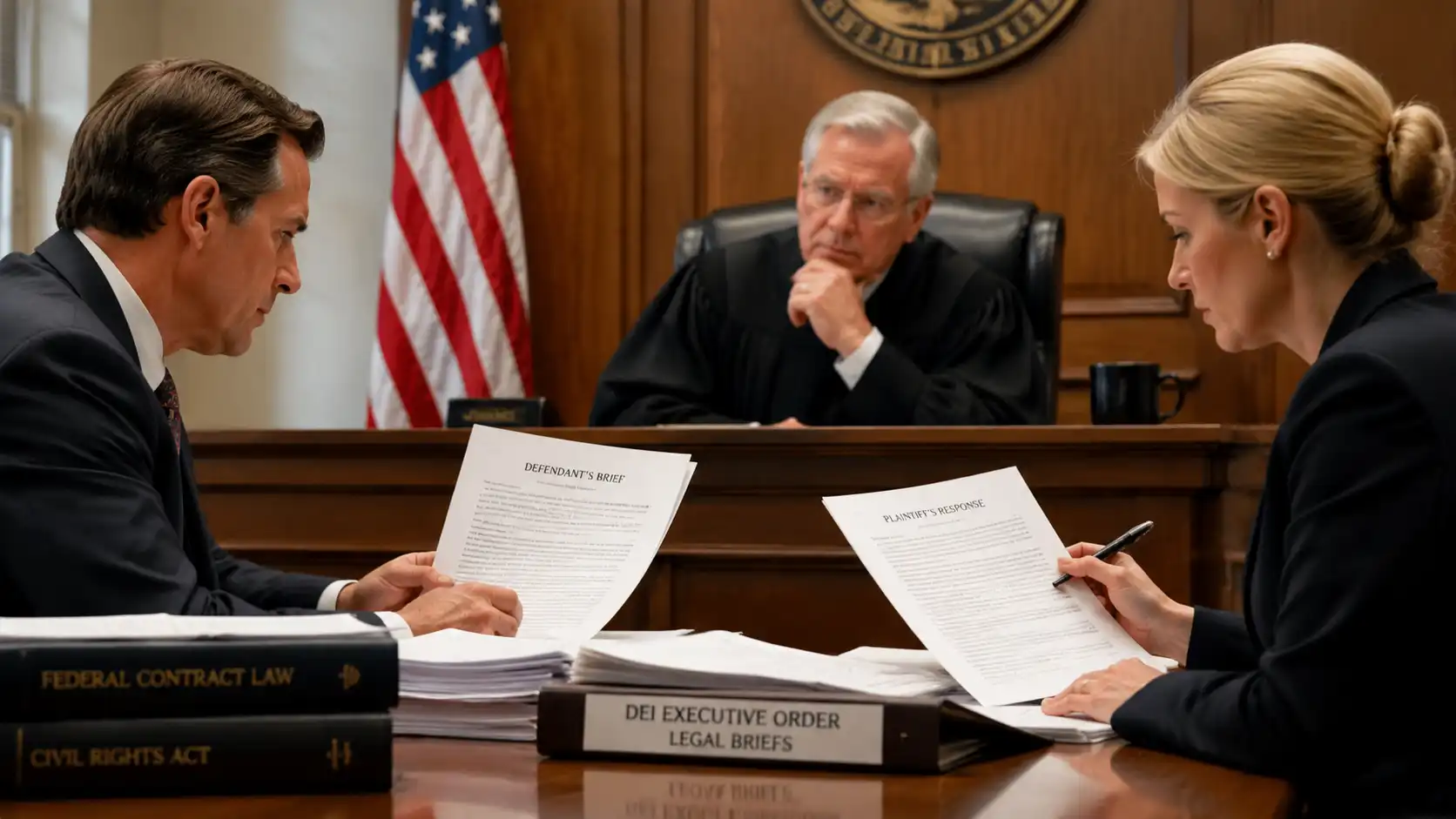
The DEI order has triggered several lawsuits in U.S. courts. Plaintiffs argue that conditioning federal contracts on DEI compliance may constitute unconstitutional overreach. Key questions include whether contractors can be compelled to adopt specific workplace policies under threat of losing federal contracts and whether the mandate violates freedom of association or equal protection rights.
For example, in a recent filing in the Northern District of Texas, a consortium of construction and technology contractors challenged the order, claiming that it interferes with private-sector decision-making. The lawsuit argues that federal contractors should not be forced to adopt policies that may conflict with their internal governance or corporate philosophy. Legal experts suggest that courts will examine both the government’s authority under federal procurement laws and constitutional protections afforded to private businesses.
Compliance Requirements for Contractors
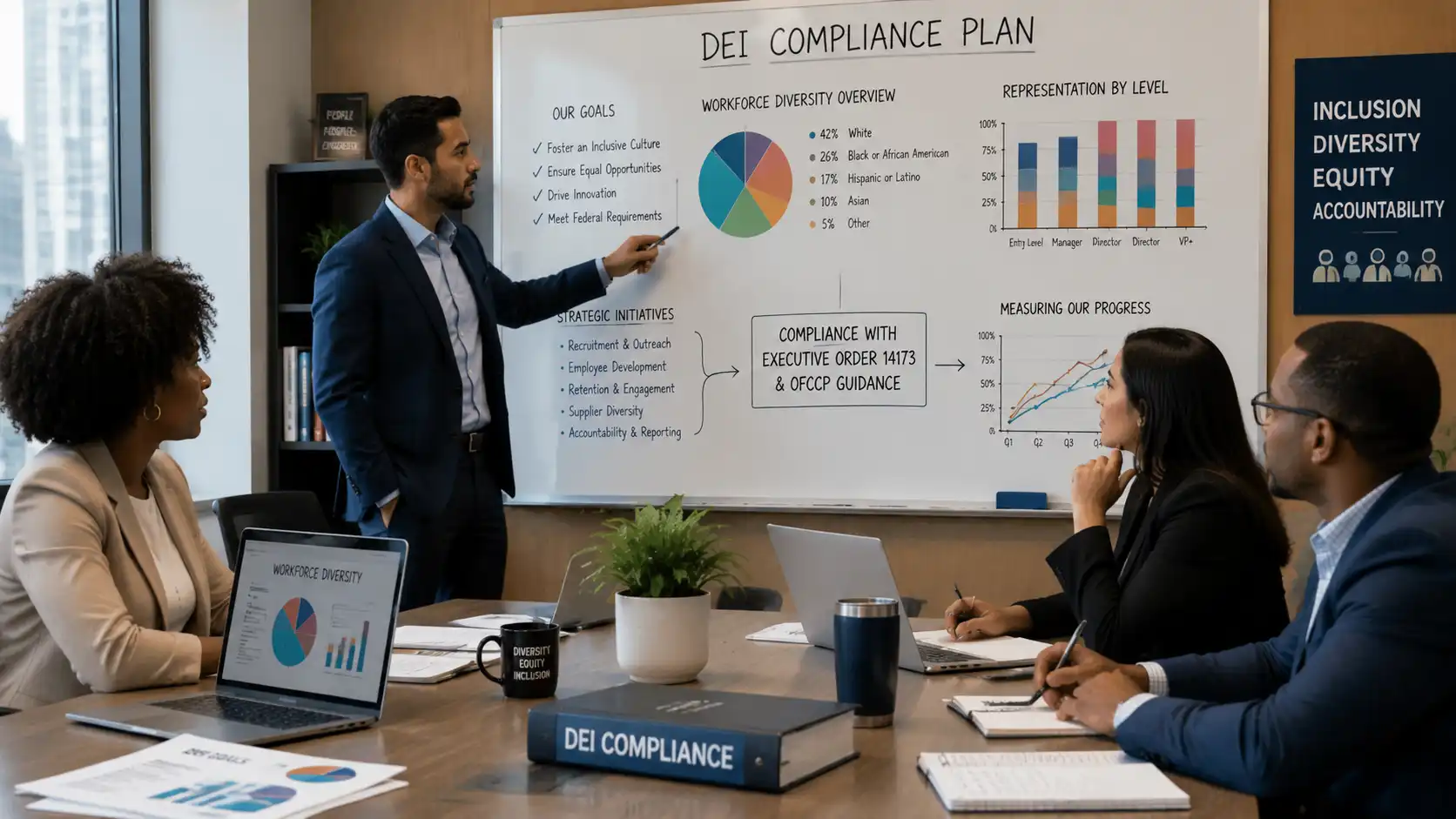
Contractors seeking eligibility for federal contracts must now submit detailed DEI compliance plans. These plans include policies on recruitment, retention, pay equity, promotion of underrepresented employees, and measurable strategies to improve workplace inclusivity. Companies must also track and report workforce demographics, set internal DEI goals, and demonstrate progress over time.
The compliance burden is significant. Small and mid-sized companies, in particular, may lack dedicated human resources or legal teams to manage these requirements. Implementing DEI programs may require organizational restructuring, staff training, new reporting systems, and engagement with external consultants. Failure to comply could result in contract disqualification or reputational damage.
Legal counsel has emphasized the importance of documentation and transparency. Contractors are advised to maintain thorough records of DEI initiatives, including training programs, hiring and promotion metrics, mentorship initiatives, and internal audits. This documentation can provide protection in the event of government review or litigation.
Case Studies and Early Examples
Some contractors have proactively implemented DEI programs in response to the order. A mid-sized IT consulting firm in Virginia created a cross-functional DEI committee that monitors workforce metrics, develops training programs, and reports quarterly progress to senior management. The company also launched mentorship programs for underrepresented employees, contributing to measurable improvements in promotion rates and employee retention.
Conversely, several smaller contractors have opted to delay full implementation, citing ongoing litigation and concerns about the administrative burden. These companies face a delicate balance: complying sufficiently to maintain contract eligibility while avoiding unnecessary legal or operational risk.
These early examples highlight a broader challenge for contractors nationwide: integrating federal DEI requirements into existing organizational structures while mitigating costs and legal exposure.
Broader Implications for Federal Contracting
The DEI order signals a broader federal commitment to equitable employment practices and inclusive contracting. Agencies now have a clear mandate to prioritize contractors demonstrating meaningful diversity initiatives. This emphasis on DEI is likely to influence bidding strategies, contractor evaluations, and selection criteria.
However, legal challenges could reshape these expectations. If courts uphold the order, contractors may face expanded requirements across additional sectors, reinforcing DEI as a baseline for federal contracts. If courts strike down or modify portions of the order, agencies may need to revise policies, potentially creating uncertainty in federal procurement processes.
The legal outcomes could also affect contractors’ internal decision-making. Companies may need to establish long-term DEI programs not just for compliance but to remain competitive in government contracting. This could lead to a permanent cultural shift in how organizations approach diversity, equity, and inclusion.
Potential Risks and Contractor Concerns
While DEI programs offer benefits, contractors face risks if programs are poorly designed or inadequately implemented. Common concerns include:
- Administrative burden: Smaller contractors may struggle with staffing, reporting, and monitoring requirements.
- Legal exposure: Failure to comply or insufficient documentation could result in lawsuits, penalties, or contract disqualification.
- Operational conflicts: Mandating specific DEI policies may conflict with existing business strategies or corporate culture.
Contractors must also consider employee perception. Sudden DEI initiatives may be met with resistance or misunderstanding among staff if programs are implemented without clear communication or engagement. Legal and HR teams are critical in designing programs that are effective, legally defensible, and culturally integrated.
Expert Commentary on DEI Order Impacts
Legal and HR experts emphasize that the DEI order is likely to influence private-sector practices beyond federal contracting. Companies may voluntarily adopt DEI strategies to remain competitive in talent recruitment and retention. Additionally, the litigation surrounding the order will shape the boundaries of federal authority in regulating workplace practices.
Employment law attorneys suggest that proactive documentation, measurable goals, and continuous monitoring are essential to navigating this evolving regulatory environment. “The order is not just about checking boxes,” notes a federal contracting attorney in Washington, D.C., “it’s about demonstrating genuine commitment to equitable practices while staying compliant with federal regulations.”
Strategies for Effective DEI Implementation
Contractors can adopt several strategies to navigate the DEI order successfully:
- Cross-functional committees: Engage HR, legal, and executive leadership in developing DEI policies.
- Data-driven monitoring: Track workforce demographics, pay equity, promotion rates, and employee satisfaction.
- Training programs: Educate employees on DEI principles, bias mitigation, and inclusive practices.
- Mentorship and career development: Support underrepresented groups in career advancement.
- Transparent reporting: Document initiatives and provide periodic progress reports to demonstrate compliance.
These strategies not only satisfy federal requirements but can strengthen workplace culture, improve retention, and enhance contractor competitiveness in federal procurement.
Future Implications and Legal Precedents
The ongoing litigation surrounding the DEI order will likely set legal precedents for federal contracting and workplace diversity mandates. Courts may address questions about the scope of federal authority, constitutional protections for private businesses, and acceptable methods for enforcing inclusion requirements.
The outcomes may also influence state-level initiatives and corporate policies. Many companies are already considering aligning internal DEI efforts with anticipated federal standards to minimize legal and operational risk. Ultimately, the DEI order could reshape the landscape of U.S. federal contracting and influence how businesses approach equity and inclusion for years to come.
Conclusion
The federal DEI order for contractors is a landmark development in U.S. employment law. It emphasizes measurable diversity, equity, and inclusion while raising complex legal and operational questions. Contractors must navigate compliance requirements, ongoing litigation, and potential constitutional issues, balancing federal directives with internal business strategies.
Proactive engagement with DEI principles, transparent reporting, and thorough documentation are critical for contractors seeking to maintain federal contract eligibility while mitigating legal risk. As courts continue to address challenges, the outcomes will shape the future of DEI enforcement, federal contracting practices, and broader employment law in the United States.
Call (888) 488-1391 or complete the “Do I Have A Case?” form to schedule a free initial consultation.